

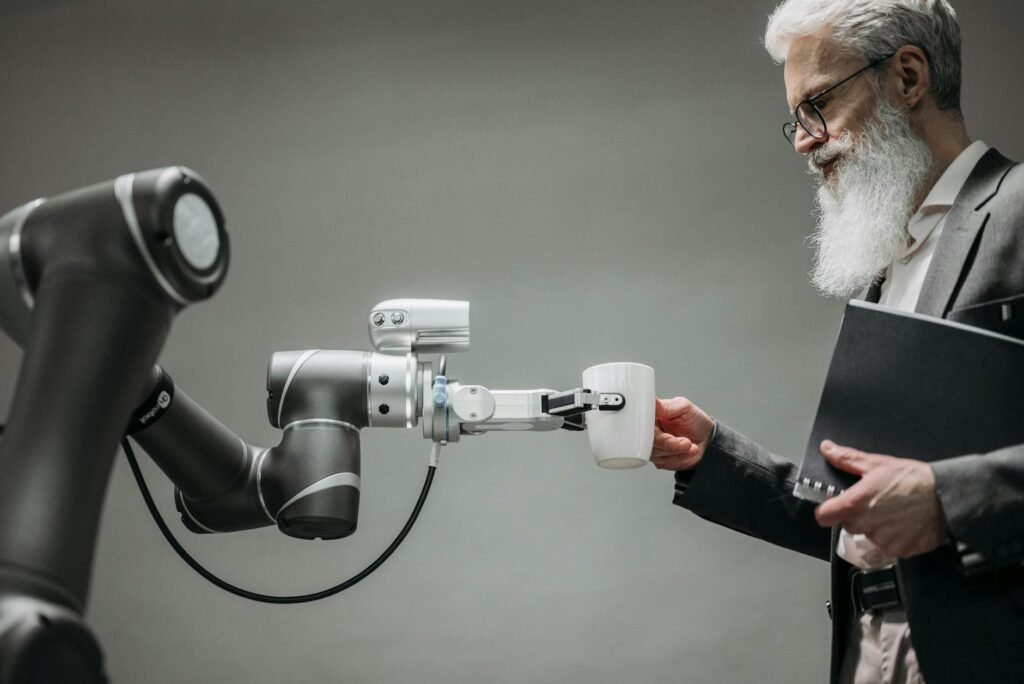
AI Winners vs Gimmicks: The AI Super Bowl Trap
AI Winners vs Gimmicks is transforming the industry. Last year, I watched a major brand unveil their Super Bowl ad with a generative AI-powered voice-cloning feature-everyone cheered. Six months later? Zero engagement. Not because the AI was bad. It was *perfect* at replicating a celebrity’s voice. But the real question was: *Did it solve anything?* The answer was no. This isn’t an isolated case. Organizations treat AI like a trophy, slapping it onto campaigns instead of embedding it where it actually moves the needle. What separates AI Winners from gimmicks? It’s not the tech itself-it’s whether the AI *changes the game* or just *plays in it*.
How AI Winners Actually Work
Consider Spotify’s approach. Their AI doesn’t just analyze listening habits-it *rewrites the rules* of music discovery. When you open the app, the recommendations aren’t just suggestions; they’re a dynamic conversation. The AI tracks not just what you play, but *how* you react: pause time, skip rates, even the time of day. This isn’t about flashy demos. It’s about turning data into *personalized friction removal*. Organizations that master this don’t announce their AI; they disappear it into the experience.
The Three Hidden Tests
You can spot AI Winners using three simple litmus tests. First: Does it alter the product’s core value? Domino’s didn’t just add AI to their app-they used predictive analytics to slash waste by 30% through dynamic menu adjustments. The AI wasn’t a feature; it was a *cost cutter*. Second: Is the AI visible or invisible? Netflix’s recommendation engine doesn’t blare its presence-it just *gets you the right show*. Third: Can you remove it without breaking the business? Amazon’s supply chain? No. A “cool but useless” Super Bowl AI gimmick? Absolutely.
When Gimmicks Look Like Winners
The danger lies in what I call *false positives*-AI initiatives that feel impactful but are actually window dressing. I worked with an agency that rolled out a real-time AI creative generator for a Super Bowl spot. The tech was cutting-edge. The problem? It existed in a silo. The designers couldn’t integrate it into their workflows, the clients never saw the ROI, and within six months, it was shelved. What went wrong? They treated AI as a *campaign accessory* instead of a *strategic enabler*. The real winners don’t ask, *”How can we make this look smart?”* They ask, *”How will this change what we do?”*
Red Flags in Disguise
Here’s how to avoid the pitfall:
- Single-Campaign Focus: If the AI is tied only to a Super Bowl ad or one-off project, it’s likely a gimmick.
- CTO-Love Syndrome: The tech team adores it, but the frontline users ignore it? That’s a telltale sign.
- Flashy Announcements: If the AI is the star of the pitch deck, it’s probably a distraction.
Organizations that win with AI don’t announce it-they *operationalize* it. They embed it into daily workflows, measure outcomes beyond vanity metrics, and refuse to let it become a shiny object.
This year’s Super Bowl ads will be full of AI-powered tricks. Some will work. Most won’t. The difference won’t be in the technology. It’ll be in whether the organizations behind them asked the right question upfront: *Does this change what we do-or just how we look?* That’s the real test. And that’s where the winners separate themselves from the rest.















