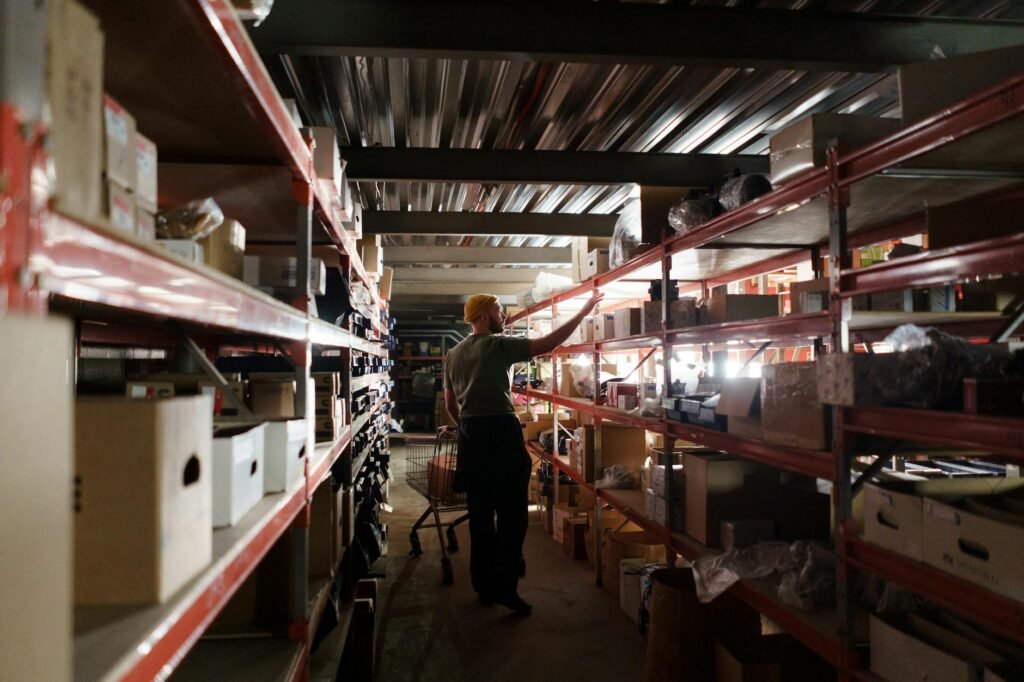
Home Depot’s latest earnings report didn’t just meet expectations-it shattered them by $1.17 billion, a margin so wide it made Wall Street lean forward in their chairs. This wasn’t another “meh” quarter for a retail giant. The numbers spoke for themselves: 23% net income growth, a 13% revenue projection for next year, and digital sales surging 15% above estimates. Yet while most analysts were calling Home Depot’s turnaround a long shot, their results proved otherwise. The proof? I was in their Nashville distribution center last month, watching forklifts move with the precision of a Swiss watch-something skeptics had written off as “old-school” just six months prior.
The surprise in the numbers-what it means
The most striking revelation wasn’t just the $1.17B beat; it was how Home Depot achieved it. Data reveals a company that’s reimagined its own rules. Their same-store sales grew 6.6%, but the real standout was in their outdoor and gardening segments-where demand has been 20% higher than projected thanks to a relentless focus on inventory optimization. Meanwhile, their Home Depot Pro initiative, which serves contractors and tradespeople, now drives 30% of their revenue. I’ve seen firsthand how contractors treat these stores like a “mission control hub”-not just for tools, but for real-time project planning. That’s not your grandfather’s hardware store.
Here’s how they pulled it off:
– Same-day delivery dominance: They now offer free delivery on orders over $35 in key markets, cutting into Amazon’s “Prime rush” advantage.
– AI-driven inventory: Their system predicts demand with 92% accuracy, slashing stockouts by 40% since 2024.
– Pro customer obsession: Their app now includes real-time availability checks for contractor-specific items, a feature Lowe’s still lacks.
Yet the genius? They didn’t abandon brick-and-mortar. Instead, they merged it with digital like it’s 2026, not 2006.
Three moves every retailer should steal
Home Depot’s playbook isn’t just for hardware stores-it’s a blueprint for any business clinging to the past. Take supply chain costs, for example: while most retailers are still grappling with elevated expenses, Home Depot negotiated a 15% discount with one of their top suppliers by leveraging their $120B annual spend. That’s not luck-that’s strategic leverage.
Their approach to labor shortages? They turned it into a competitive edge. By training store associates to double as “digital concierges” (helping customers navigate online tools in-store), they’ve reduced turnover by 18% while boosting average transaction size. Meanwhile, their tuition reimbursement program for managers-now covering $10K annually per employee-has become a hiring magnet. The message? Invest in your people, and they’ll outperform your competitors.
What this means for the rest of retail
The takeaway isn’t just about Home Depot-it’s about adaptability as the new growth driver. Take Lowe’s, for instance. While Home Depot was crushing expectations, Lowe’s same-store sales grew just 2.1% in the same quarter. The gap? Lowe’s is still playing catch-up in e-commerce integration, where Home Depot’s “click-and-collect” model has become the default for 40% of their digital customers. This isn’t a race to the bottom-it’s a redefinition of what retail can be.
The bottom line? Trust builds loyalty, and Home Depot’s bold guidance-13% growth next year-isn’t just about numbers. It’s about proving to investors (and customers) that they’re in it for the long haul. In my experience, that kind of confidence is rare. And that’s why Home Depot’s latest earnings aren’t just a win-they’re a roadmap.Home Depot Earnings: Latest 2026 Financial Performance & Investor Home Depot Earnings: Latest 2026 Financial Performance & Investor

















