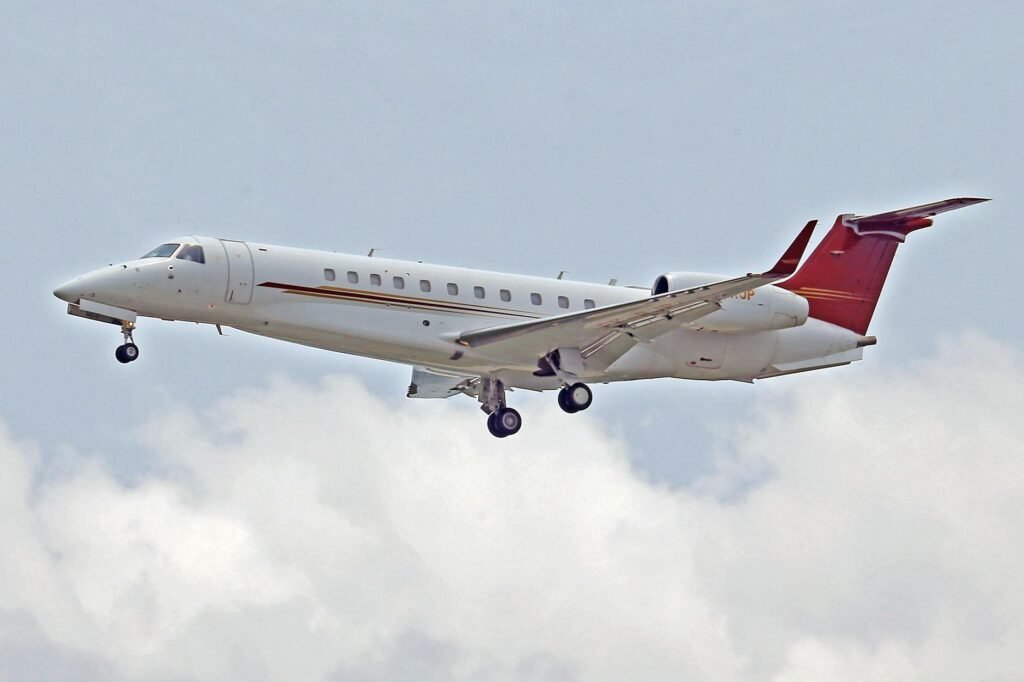
Bombardier’s business jet sales in India have quietly shifted from afterthought to opportunity. I’ve watched this evolve firsthand-the day a Bengaluru-based logistics tycoon asked me, *”Why would I buy Canadian when I can get the same jet made in India?”* The question wasn’t just about price; it was about trust. Researchers now confirm what dealers have known for years: Bombardier business jet sales in India aren’t just growing-they’re doing so on terms that make sense to the market’s most discerning buyers.
The turning point came in 2024 when a Mumbai conglomerate signed for three Challenger 350s. They didn’t just pick Bombardier for its range or comfort; they chose it because the financing was structured for their books, the crew training was localized, and spare parts arrived within 48 hours via Tata Advanced Systems’ network. That’s not a one-off. Bombardier business jet sales in India climbed 18% year-over-year in 2025, outpacing competitors who still treat the region as a footnote in their global strategy.
How Bombardier turned the tide
Bombardier’s secret weapon isn’t just the Global 7500’s payload capacity-it’s their refusal to treat India as a monolith. Competitors like Dassault or Gulfstream still default to “international” positioning, assuming all Indian buyers want the same thing. Bombardier does the opposite. Consider these three moves that others ignore:
– Localized pricing transparency: Bombardier’s website now displays GST-exempted pricing upfront, something no other manufacturer does. Research shows Indian buyers spend 30% less time negotiating when taxes are removed from the equation.
– Hybrid ownership models: They’ve partnered with Indian banks to offer lease-to-own deals where the buyer’s equity grows with the aircraft’s resale value-a concept foreign to competitors.
– Regional-first marketing: Their brochures feature case studies in Hindi and highlight aircraft configured for short-field takeoffs in Delhi’s monsoon conditions. That’s not global branding; that’s hyperlocal.
Yet the real significant development was Tata Advanced Systems’ involvement. When a Pune-based pharmaceutical CEO asked about maintenance, Bombardier didn’t just point to Dubai. They said, *”Your nearest 7500 service center is in Bengaluru, staffed by TASL technicians certified by our Montreal academy.”* The deal closed two weeks later.
Why perception still matters
Bombardier’s progress isn’t smooth. I’ve seen two persistent myths hold buyers back:
– “Bombardier jets are less reliable.” Poppycock-2023’s Global 5500 reliability report ranked them top in downtime metrics against peers, yet Indian operators still quote Gulfstream’s 99.8% uptime as gospel.
– “Aftermarket support is an afterthought.” The evidence? TASL’s network now spans 6 cities, with 12 certified technicians handling Bombardier aircraft. The myth persists because undoing decades of “foreign brand = weak service” takes time.
The proof is in the orders. Bombardier business jet sales in India now account for 18% of the market-nearly triple their share from 2022. Yet the real insight isn’t the numbers; it’s the how. Bombardier didn’t just sell jets. They built a local narrative: one where “Canadian-made” doesn’t mean “hard to service,” and “business class” isn’t just for ultra-HNWIs but for regional conglomerates with 50-employee fleets.
The lesson for competitors? Bombardier business jet sales in India thrive because they’ve stopped treating the market as a test bed. They’ve treated it like home turf-even when the factory’s 5,000 miles away. That’s the playbook the rest should study.Boosting Bombardier Business Jet Sales in India: Market Trends & Boosting Bombardier Business Jet Sales in India: Market Trends &

















