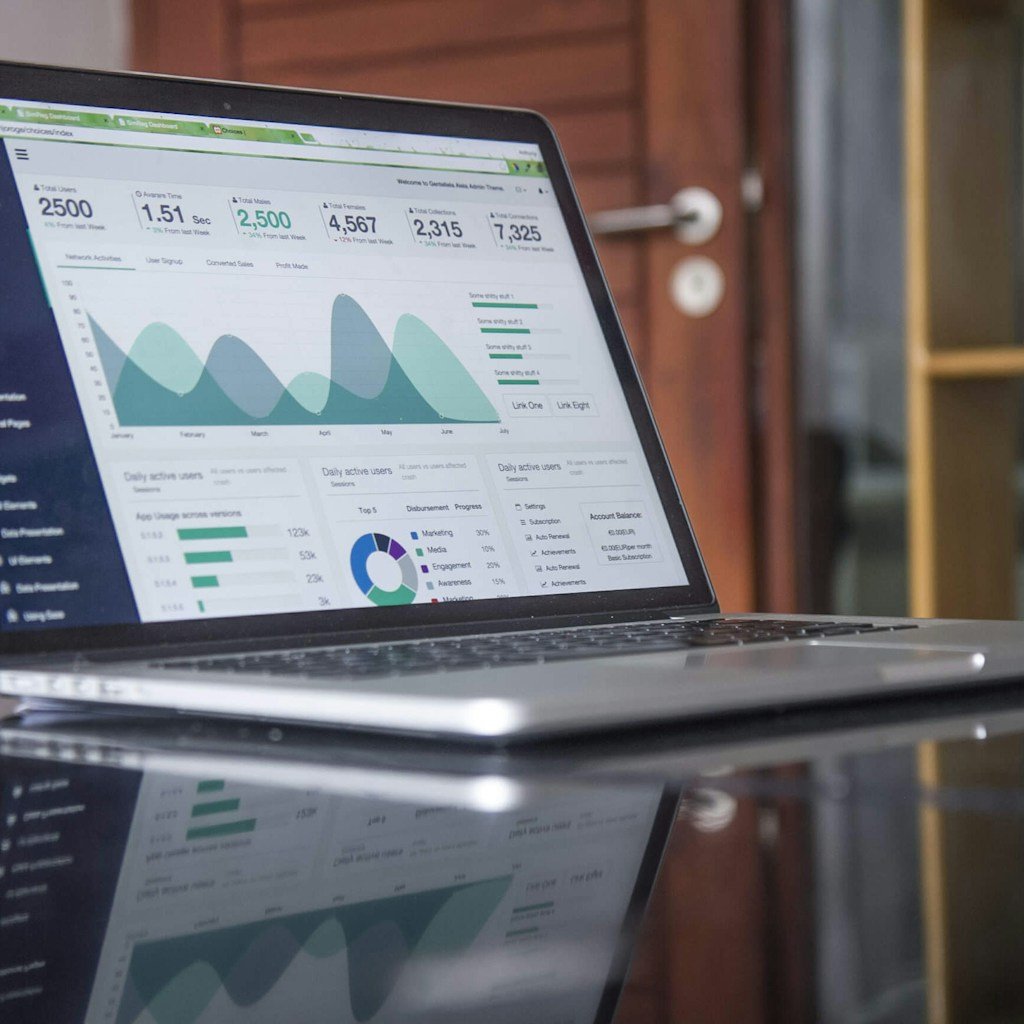
Picture this: you’re halfway through drafting a crucial client email, your inbox full of urgent requests, when your laptop suddenly beeps. A notification pops up-*”Attention: Your focus score has dropped to 47%. Please review your activity.”* You glance at the screen and see a screenshot of your own desktop, timestamped with your keystrokes in real-time. No context. No explanation. Just a cold numerical judgment of your “productivity.” That’s not just a glitch-that’s bossware tracking at work, and it’s far more common than you’d think. I’ve seen teams unravel over these systems, where every pause is scrutinized, every website visit flagged, and every “distraction” (including personal wellness breaks) quantified. The irony? Most employees don’t realize they’re being monitored until it’s too late.
bossware tracking: How Bossware Infiltrates Workplaces
Bossware isn’t some futuristic dystopia-it’s already in your office. These tools masquerade as productivity enhancers but operate like digital surveillance cameras for your behavior. Consider the case of XYZ Corp, a mid-sized ad agency that deployed Timetastic after a “productivity crisis” in 2024. Within months, the tool had triggered a domino effect: employees whose screenshots showed personal research (like mental health apps) were flagged for “lack of engagement.” The company’s CTO later admitted the system was so flawed it accused developers of slacking during deep-coding sessions. Yet the damage was done. Morale collapsed, and the agency’s creative output dropped by 30%-proving that bossware doesn’t just track it distorts what counts as work.
The Tools in Your Toolkit
Most bossware operates on three stealth tactics-deception, control, and punishment. Here’s how it typically works:
- Sneaky Installation: Tools like Hubstaff arrive as “IT security patches” or “team collaboration upgrades,” with consent buried in HR emails. One client told me their bossware was installed via a “mandatory Zoom update” during the pandemic-no one noticed until it started logging keystrokes.
- False Productivity Scoring: Experts suggest these systems misclassify legitimate work as “idle time.” A software engineer I know saw his bossware score plummet after he used Slack to debug a critical error-because the tool flagged the private message as “personal use.” The system didn’t care he was saving a client’s project.
- Gamified Fear: Some platforms (like Desktime) rank employees on “focus scores” tied to bonuses. A New York Times investigation found call centers using bossware to demote agents whose typing speed didn’t match “optimal” benchmarks-even if their calls were flawless.
The catch? Bossware tracking thrives in ambiguity. Employees assume it’s just “time tracking,” but it’s really a behavioral audit-one that often penalizes nuance.
What to Do If You’re Being Tracked
If you suspect bossware tracking is active, your first step is verification-not panic. Start by checking your laptop’s activity logs (Mac: Screen Time; Windows: Digital Wellbeing) for unusual patterns: sudden time-zone shifts, repeated logins from unfamiliar locations, or apps you didn’t install. I’ve seen employees uncover bossware by noticing their company VPN suddenly requiring a “productivity verification” step-even for approved tasks.
Your options depend on your workplace, but here’s what’s worked for others:
- Request Transparency: Frame it as a compliance question. Email HR citing GDPR or CCPA (where applicable) and ask for a list of installed monitoring tools. I’ve seen teams win audits this way-especially in creative fields where “focus” isn’t a binary metric.
- Use Privacy Shields: Extensions like uBlock Origin can block bossware cookies, but beware-some tools monitor network traffic, not just browser history. A freelancer friend bypassed this by using a personal hotspot for sensitive work, though her manager later “discovered” it via HR’s “security training” review.
- Document Everything: If bossware is used to discipline you, keep records of false positives (e.g., screenshots of mislabeled activity) and escalate to labor rights orgs like the Electronic Frontier Foundation. Yet even this isn’t foolproof-some companies retaliate by labeling you “uncooperative.”
Simply put, bossware isn’t just about control-it’s about creating compliance through fear. And once the system’s grip tightens, employees often self-censor to avoid “red flags,” even when they’re doing their jobs.
The pushback is growing. Cities like San Francisco are pushing for “right to disconnect” laws, and lawsuits against bossware vendors are rising. Yet for now, most employees face a choice: play along or disappear. So next time your laptop beeps with a “productivity warning,” ask yourself: *Who benefits when every keystroke is a performance review?* The answer might surprise you-and it’s probably not your boss.