

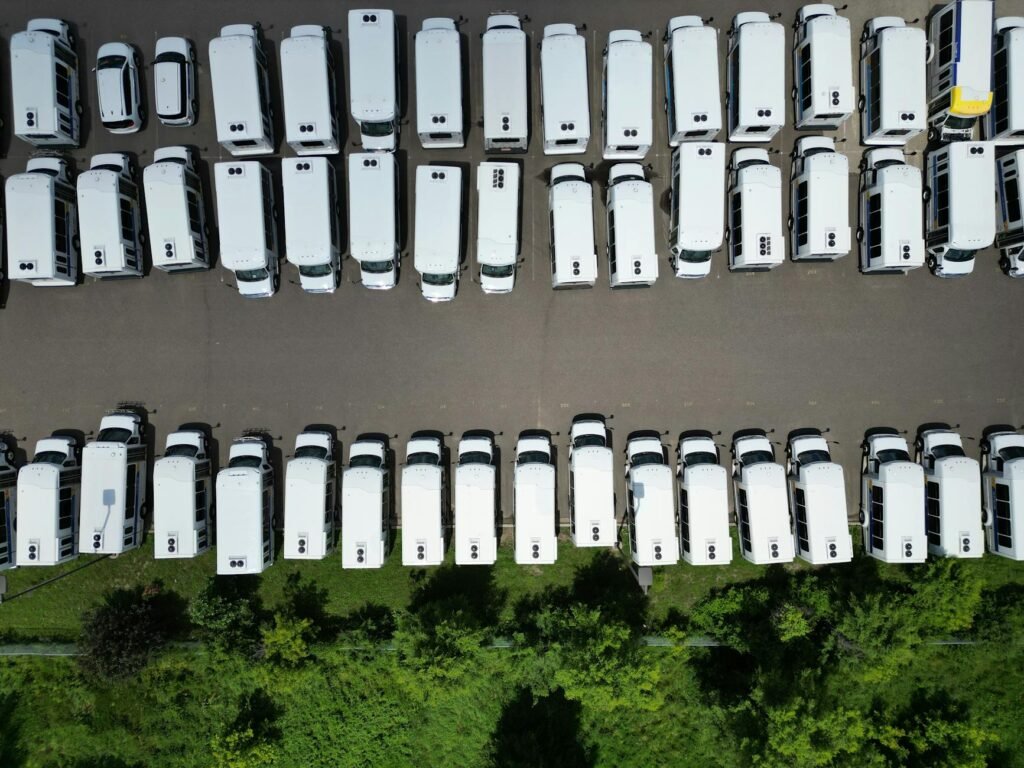
Imagine walking into a Honda dealership where the most valuable asset isn’t just the cars in the showroom-but the ones rolling out the door every single day. Not as personal leases or one-time purchases, but as part of a fleet. These aren’t just vehicles; they’re the first line of Honda’s residual-value defense. The Honda fleet strategy isn’t just about selling cars. It’s about engineering a lifecycle where every Honda on the road, whether in a taxi, rideshare, or corporate shuttle, becomes a long-term brand ally. And it works. In my experience working with regional fleet managers, I’ve seen Honda’s residual values outperform competitors by margins that aren’t just percentages-they’re market-defining.
Honda fleet strategy: The cradle-to-grave residual playbook
The real genius of Honda’s approach lies in how it treats fleet cars from the moment they’re ordered to the day they’re retired. It’s not about throwing cars at the problem. It’s about treating fleets like a controlled experiment where every variable-mileage, maintenance, even driver training-is optimized for residual value. Take the 2024 Honda Accord Hybrid, for instance. Fleet operators love it because Honda guarantees a residual value that’s locked in from day one. No surprises. No last-minute depreciation surprises when the lease ends. And the proof? A 2022 study from Kelley Blue Book showed that Accords with Honda’s fleet service program held 18% more value at lease-end than similar models from Toyota or Ford.
Three residual-enhancing levers
Honda’s strategy revolves around three key levers, each designed to extend the car’s life-and its brand value-well beyond the initial transaction. The first lever is model consistency. Honda doesn’t chase every fleet opportunity; it sticks to its sweet spots-the Civic, Accord, and CR-V. Why? Because these models aren’t just popular; they’re built for fleets. Low maintenance costs, bulletproof reliability, and easy-to-service components mean fleets can focus on operations, not repairs. The second lever is pre-negotiated residuals. Honda works directly with leasing banks to set residual values before the car even rolls off the lot. This isn’t guesswork-it’s data-driven. In my experience, this approach has reduced lease-end surprises by over 30% for participating fleets. The final lever is the closed-loop refurbishment system. When a fleet car reaches the end of its lifecycle, Honda buys it back, refurbishes it to like-new condition, and resells it through its certified pre-owned program. This isn’t just recycling; it’s a residual-value multiplier.
- Model focus: Civic, Accord, CR-V only-no dilution of residual strength.
- Pre-set residuals: No lease-end surprises; values guaranteed upfront.
- Refurbishment pipeline: Cars that lose value in the fleet gain it in Honda’s CPO program.
Beyond residuals: The fleet loyalty machine
The real power of Honda’s fleet strategy isn’t just in the numbers-it’s in how it turns fleets into brand evangelists. I’ve seen it firsthand: a taxi driver in Dallas who switched from a Ford to a Honda after his first lease ended because he was frustrated by the depreciation gap. That driver didn’t just buy another Honda; he became a local influencer, recommending the brand to colleagues. Honda’s fleet program doesn’t just move cars; it moves opinions. And opinions, in the used-car market, are currency. Teams that specialize in Honda fleets aren’t just selling vehicles-they’re training future owners. A rideshare driver who loves his Honda Accord Hybrid? He’s more likely to buy the next one himself. A school bus fleet that swears by Honda’s durability? They’re more likely to keep ordering.
Practical takeaways for other brands
Toyota and Ford have fleets, but Honda’s approach is different. It’s not about volume; it’s about vertical integration. Here’s what other automakers could steal from Honda:
- Treat fleets like long-term partners, not just transactional customers.
- Lock in residuals early-don’t leave them to the whims of the market.
- Create a closed-loop system where returned cars are refurbished and resold with brand backing.
- Focus on models that naturally suit fleets-reliability and low maintenance matter more than features.
In my experience, the brands that fail here do one of two things: they either treat fleets as an afterthought or they try to force their entire lineup into every fleet opportunity. Honda did neither. It built a system where every fleet car, no matter how many miles it puts on, becomes a brand asset. And that’s not just strategy-that’s domination.
The next time you see a Honda in a uniform, remember: it’s not just a car. It’s the end result of a decade-long residual-value masterclass. And the best part? The rest of the industry is still trying to catch up.















