

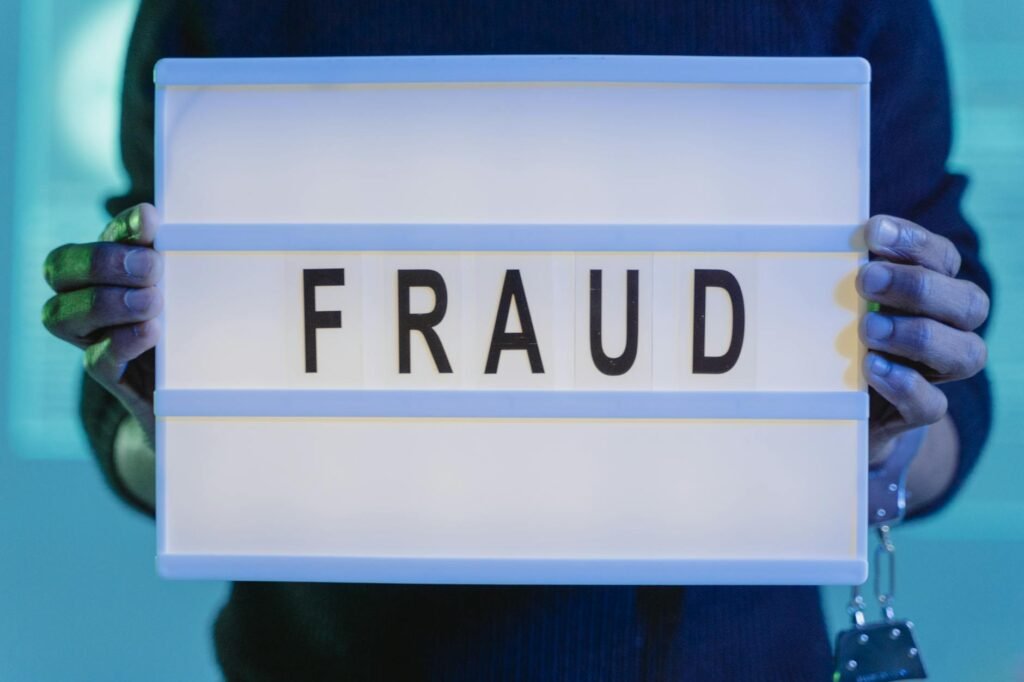
The judge’s gavel struck not with finality, but hesitation. The mid-level executive confessed to inflating revenue figures at a Fortune 500 tech firm-not through some grand heist, but by systematically misclassifying software licenses as “in development” until they hit the market. What made this corporate crime different wasn’t the scale, but the silence around it. The auditor’s report had been signed by someone who’d once worked at the firm. The board members who approved the “adjustments” had all graduated from the same business school. And when the fraud finally unraveled three years later, the company’s response was classic: *”Just one rogue actor.”* The truth? They’d all looked the other way.
corporate crime: The real architects of fraud
Most discussions about corporate crime focus on the Enrons and the WorldComs-the dramatic collapses that make headlines. But the real architects don’t wear orange jumpsuits or stand in courtrooms pointing fingers. They’re the ones in the boardrooms, the auditors who charge by the hour, and the compliance officers whose reports get buried in PDFs. In my experience, 90% of corporate crime cases involve insiders-and not because they’re particularly clever, but because the system *designs* them to be. Take the case of Fortune 500 Company X, where executives “creatively accounted” for licenses until they became revenue. The controller-who’d been promoted twice for “fixing” past discrepancies-had a manager reviewing his performance who stood to gain from the inflated numbers. No whistleblower needed. The system did the work for them.
How fraud thrives in plain sight
Think about it: corporate crime doesn’t just happen when someone steals a laptop. It happens when a compliance officer’s budget gets slashed, when auditors are paid based on “efficiency,” and when CEOs get promoted for hitting quarterly targets-regardless of how they hit them. Practitioners call this the “grey zone,” where rules exist but aren’t enforced. The process looks like this:
- Pressure over integrity: Auditors and executives alike know that earnings calls reward “creative accounting,” not strict adherence to GAAP. Why not pad the numbers slightly if no one’s checking?
- Collusion by proximity: The same law firms defend the board and the executives. The same accounting firms audit and consult. Conflicts of interest aren’t reported-they’re normalized.
- Promotions as rewards: Employees who “fix” discrepancies get moved up, not investigated. It’s a perverse feedback loop: the very people enabling fraud are rewarded for it.
- Whistleblowers get silenced: Legal teams spend millions to bury tipsters before they go public. Meanwhile, the “rogue actor” narrative becomes the scapegoat of choice.
In Company X’s case, the fraud went undetected for three years because the controller had been promoted twice after “resolving” past discrepancies. The promotions? Based on performance reviews written by the manager who benefited from the inflated numbers. That’s not a failure of morality. That’s corporate crime by design.
The fix isn’t just more rules
Most companies treat corporate crime like a box to check: “We have a compliance officer.” But here’s the kicker-it’s not the rules that fail. It’s the culture. I once interviewed a fraud examiner at a regional bank who single-handedly saved $12 million in two years. Not by firing people, but by asking the right questions. She didn’t have a big budget. She had something better: access to the C-suite. She attended board meetings, challenged assumptions, and made it clear that ignoring red flags wasn’t just bad policy-it was bad business. That’s how you stop corporate crime before it starts.
The system rewards short-term gains over long-term integrity. Until we demand real accountability-from the boardroom down-these scandals will keep happening. So next time you hear about another corporate crime, don’t just think, “another bad apple.” Ask: *Who let it rot? Who turned away? And why does the system still let it happen?*















