

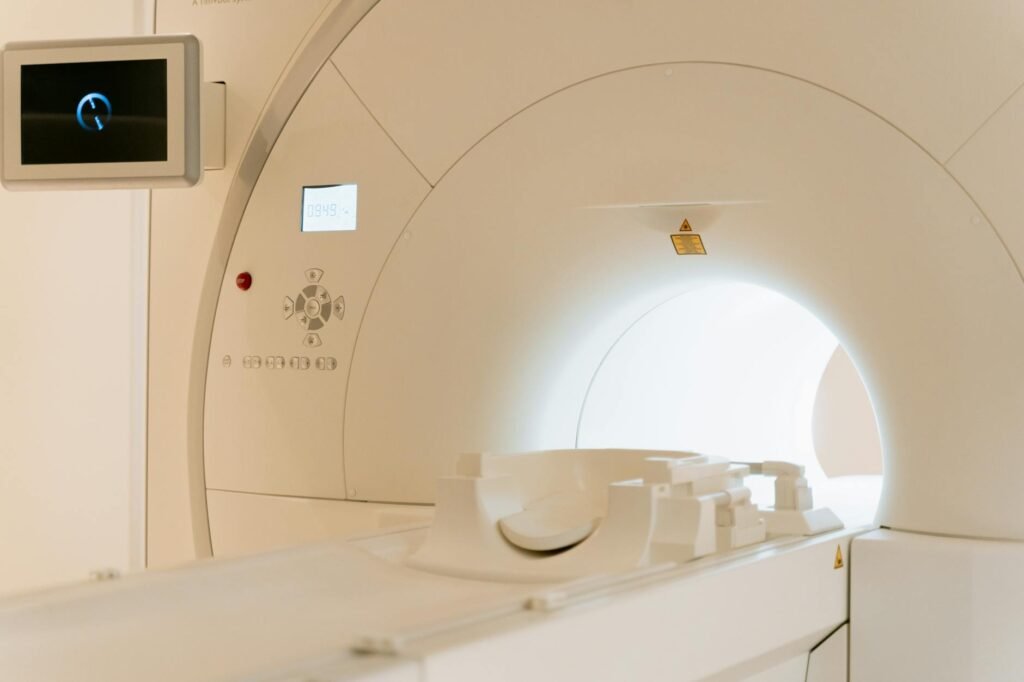
How the Micro CT Scanner Market Is Being Redefined
The micro CT scanner market isn’t some quiet corner of industrial imaging-it’s a high-stakes battlefield where precision meets predictive power. I’ve watched it transform from a specialized lab tool to a competitive necessity, particularly in Massachusetts where a startup I know was using micro CT to validate 3D-printed medical implants *before* they ever hit human trials. They weren’t just detecting flaws-they were mapping stress distribution in real time, proving designs that would’ve collapsed under traditional testing. That’s the kind of edge the micro CT scanner market offers today: not just images, but actionable intelligence embedded in every scan.
This technology has quietly become a linchpin across industries. Yet its growth isn’t just about hardware-it’s about the unexpected places where micro CT changes entire workflows. From aerospace to agriculture, companies are using it to solve problems no one knew were solvable until they had the right data.
Where the U.S. Leads in Micro CT Innovation
The U.S. isn’t just participating in the micro CT scanner market-it’s redefining it. Three factors explain why American companies dominate: regulatory agility, venture capital backing, and a unique blend of industrial and academic collaboration that no other region replicates.
Take Nikon Metrology’s XTH 225/320 scanner. It’s more than hardware-it’s a critical enabler for Boeing’s lightweight alloy validation. In practice, this means engineers can now identify manufacturing defects *before* building a single wing panel, slashing testing costs by 40% while improving component lifespan. The U.S. advantage? We’re the only place where defense contractors, biotech startups, and Silicon Valley labs share the same innovation floor.
Here’s how the micro CT scanner market segments stack up in the U.S.:
- Additive manufacturing: Scanners verify complex geometries before costly failures occur
- Medical diagnostics: Early cancer detection through micro-scale imaging
- Materials science: Battery and composite testing at nanometer resolution
Beyond the Lab: Real-World Micro CT Wins
The micro CT scanner market’s most compelling applications aren’t in white coats-they’re in fields where precision translates to profit. Schlumberger uses micro CT to analyze oilfield core samples without destruction, while University of Wisconsin researchers mapped soil pore networks with resolutions impossible through manual inspection. In both cases, micro CT didn’t just improve accuracy-it reimagined entire industries’ workflows.
Consider agriculture: A micro CT scan of soil can reveal why drought-resistant crops thrive where others fail. This isn’t academic research-it’s directly informing irrigation systems that could feed millions. The real opportunity in the micro CT scanner market isn’t just selling machines; it’s enabling solutions that were previously unimaginable.
The Future Isn’t About Scanners-It’s About Insights
The next evolution of the micro CT scanner market won’t focus on resolution or speed-it’ll center on real-time predictive analytics. I’ve seen early-stage companies building AI that doesn’t just identify flaws in turbine blades but predicts how cracks will propagate under operational stress. Meanwhile, dental clinics aren’t just scanning fillings-they’re simulating 10-year performance before placement.
This shift requires more than hardware. It demands software that turns pixels into actionable insights, and services that make micro CT data actionable for non-experts. The U.S. has the unique combination of culture, supply chain, and demand to lead this transformation-but only those who move beyond hardware will shape the market’s future.
The micro CT scanner market won’t just grow-it’ll reinvent itself around what’s possible when machines don’t just see, but anticipate. The question isn’t whether this is an opportunity-it’s whether you’re ready to build what comes next.















