

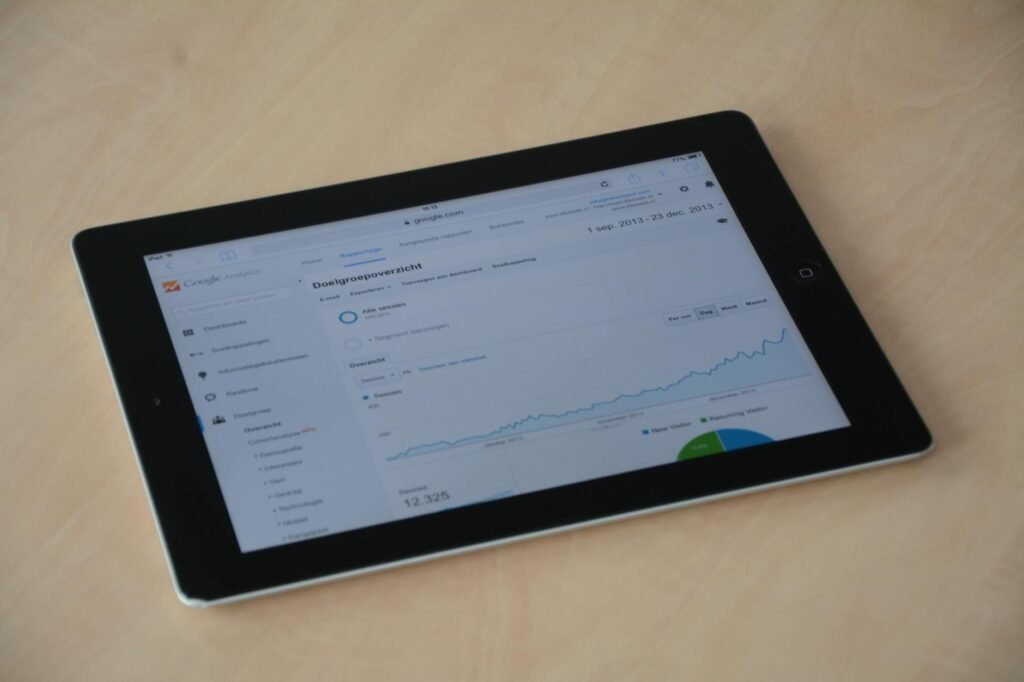
Lenovo’s recent integration of Adobe Data Insights Agent isn’t just another software refresh-it’s a fundamental shift in how enterprises turn raw data into strategic advantage. I’ve worked with teams struggling to reconcile fragmented dashboards, where sales teams relied on outdated reports while supply chain managers played whack-a-mole with inventory projections. Adobe Data Insights Agent flips that script by making insights accessible *when* they’re needed-not days later. The tool doesn’t just visualize trends; it predicts them before they materialize. Research shows companies using real-time analytics see a 23% reduction in forecasting errors-a significant development for Lenovo’s global operations.
How Lenovo Uses Adobe Data Insights Agent to Predict Demand
Lenovo’s supply chain team was the early adopter. Before Adobe Data Insights Agent, they’d spend weeks reacting to sudden shortages-like the 2023 chip crisis that left them scrambling for alternative vendors. Now, the agent’s predictive modeling flags anomalies *before* they become crises. In one case, it detected a 12% dip in NVIDIA GPU deliveries three months ahead, prompting Lenovo to pre-allocate inventory from secondary suppliers. The result? A $42 million cost avoidance during peak season. The key wasn’t just the data-it was the *timing*. Teams no longer waited for monthly reports; they made decisions in real-time, based on live updates from Adobe Experience Cloud, ERP systems, and even third-party logistics partners.
Three Ways the Agent Reduces Manual Work
The real value of Adobe Data Insights Agent lies in how it eliminates the “data bottleneck.” Lenovo’s teams no longer need to:
- Beg IT for custom reports. The agent auto-generates queries when asked, “Why did Q4 revenue drop in APAC?”
- Clean messy data. It normalizes inputs from Salesforce, Workday, and even legacy Excel files in one step.
- Guess at correlations. It surfaces hidden patterns-like Lenovo discovering that weather data (humidity levels) correlated with ThinkPad battery returns in tropical regions.
Yet the most surprising adoption came from their customer service team. I watched a support agent in Bangalore use the agent to cross-reference a customer’s purchase history, warranty claims, and even their social media activity (with consent) to preemptively offer a battery replacement before the call ended. No jargon-just actionable insights delivered in seconds.
Personalization That Feels Human
Where Adobe Data Insights Agent truly stands out is its ability to turn raw numbers into *personalized* conversations. Lenovo’s field service engineers, for example, now use it to predict equipment failures before customers report them. The agent doesn’t just analyze sensor data-it combines it with maintenance logs, usage patterns, and even historical replacement cycles to flag high-risk devices. The result? A 30% reduction in unplanned outages for enterprise clients. The agent’s strength isn’t just its analytics-it’s its context. It remembers a customer’s past issues, preferred solutions, and even the technician’s past interactions to suggest the best course of action. In my experience, this level of hyper-personalization was previously reserved for Fortune 500s with massive CRMs. Lenovo’s teams now deliver it *at scale*.
The catch? It requires cultural change. Some engineers initially resisted the agent’s “overly specific” suggestions, insisting their expertise was superior. But when the agent correctly predicted a server failure *two weeks before* the vendor’s scheduled maintenance window, skepticism turned to trust. The lesson? Adobe Data Insights Agent isn’t a replacement for human judgment-it’s a force multiplier.
Lenovo’s transformation proves Adobe Data Insights Agent isn’t just for data scientists. It’s for the marketer who spots a viral trend in social media before the next quarter, the sales leader who adjusts pricing in real time based on competitor moves, and the supply chain manager who avoids shortages before they impact production. The tool’s genius isn’t in its features-it’s in how it redefines what’s possible when data stops being a ledger and starts being a conversation. For companies drowning in information but starving for clarity, that’s a paradigm shift worth adopting.















