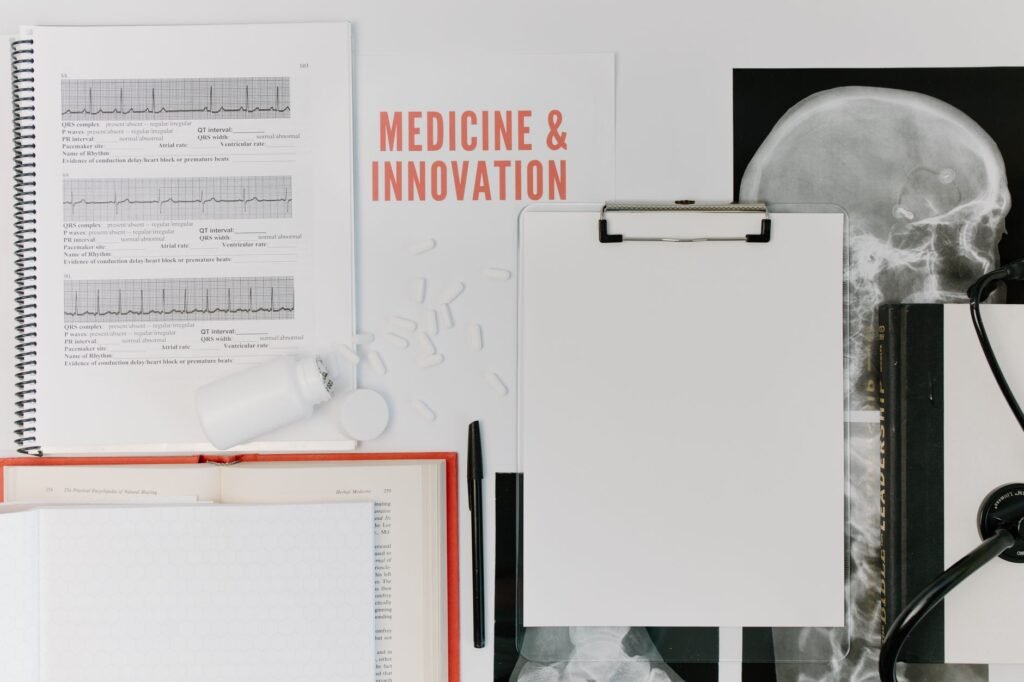
That hospital visit back in 2017—where my uncle’s heart rhythm issue led to more doctor time spent entering data into outdated systems than actually diagnosing him—wasn’t just a story about slow healthcare. It was proof that the system was stuck in its old ways. Fast forward today, and AI in healthcare isn’t just a buzzword or future promise anymore. It’s actively changing how doctors diagnose diseases before symptoms even appear, predicting which patients are most likely to return to the hospital after discharge, and suggesting real-time treatment plans that save lives—and time. The same visit could’ve played out very differently if AI in healthcare had been part of the equation back then. Now, it’s completely rewriting how medical care is delivered, from emergency rooms to primary care clinics.
How AI is transforming diagnostics with AI in healthcare
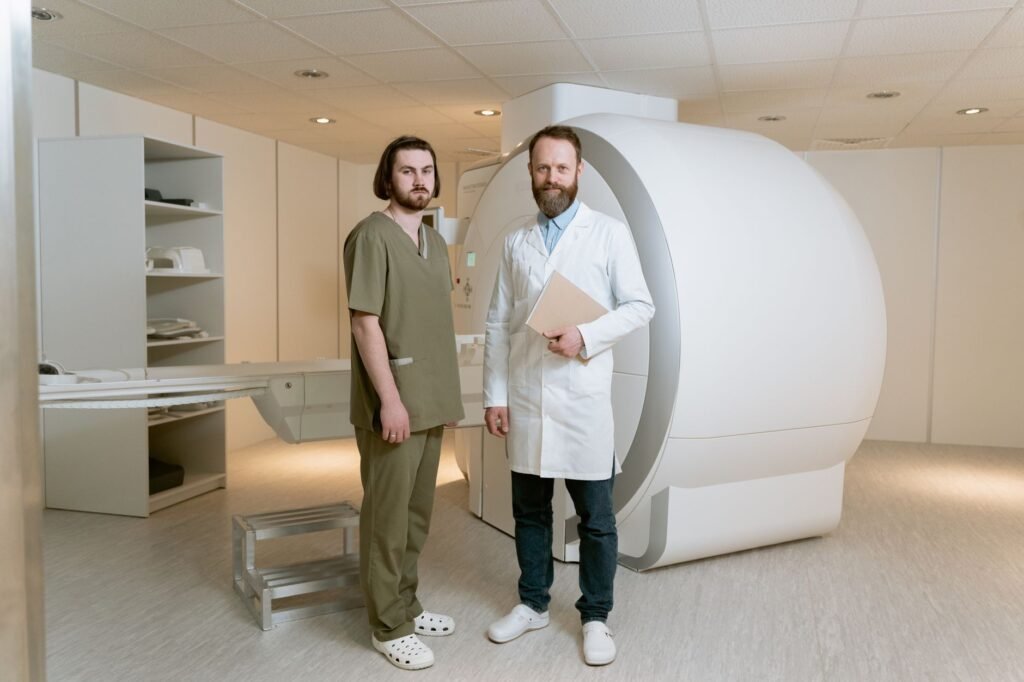
Forget the sci-fi idea of robots running hospitals—today’s AI in healthcare is quietly revolutionizing patient care behind the scenes. Diagnostic tools powered by AI are already outperforming human doctors in specific areas, not by replacing them, but by catching what humans might miss. Take radiology: studies show AI can reduce errors in reading X-rays and MRIs by up to 40%, and some systems flag abnormalities before a radiologist even looks at the images. At Mayo Clinic, their AI-powered skin cancer detection tool doesn’t just analyze biopsy slides—it processes digital photographs of moles and spots patterns human pathologists can’t see with the naked eye. The best part? It does this 17 times faster than any doctor could.
Early detection that actually saves lives
The most powerful impact of AI in healthcare right now is catching diseases earlier—sometimes years before symptoms develop. Your next mammogram might include an AI assistant scanning for breast cancer risks hidden in the images, while your bloodwork could reveal genetic predispositions to conditions like Alzheimer’s or heart disease before you ever feel “off.” A 2025 study found that AI-assisted mammograms cut false negatives by 32%, meaning fewer women had to go through unnecessary biopsies. That’s not just efficiency—that’s real lives changed.
From clinics to ERs: AI in healthcare you’ll notice soon
You might already be interacting with AI in healthcare without realizing it: – Telehealth symptom checkers: Platforms like Ada Health ask you questions about your symptoms and don’t just give generic advice—they analyze patterns from millions of cases to suggest if you need an urgent care visit or can handle it at home. Some even connect you to self-testing kits for conditions like strep throat. – Robotic surgery assistants: Surgeons using the Da Vinci system now have real-time AI that adjusts surgical tools mid-procedure based on tissue elasticity and blood flow data. It’s not replacing the surgeon—it’s giving them eyes that see beyond human limitations. – Smart hospital rooms: Before a flu season hits, AI analyzes past patient flows to predict bed shortages and allocate supplies—so when you arrive at the ER, there won’t be long waits for basic tests or medications.
The collaboration of humans and AI in healthcare
The fear that AI in healthcare will replace doctors entirely? Overblown. The reality is more collaborative—and necessary. Doctors at Cedars-Sinai use an AI called DeepMind Health to review patient charts for potential drug interactions, but it’s never the final word. The system flags risks like “Patient X might react badly to this antibiotic,” but the doctor decides whether to proceed with caution or choose a different treatment.
When AI in healthcare gets it wrong—and how we fix it
No tool is perfect, and AI in healthcare has faced some major stumbles. In 2024, the FDA had to intervene after an AI heart-disease predictor was recalled for misdiagnosing 12% of low-risk patients as high-risk—leading to unnecessary stress and treatment. The key isn’t eliminating mistakes; it’s transparency. Google’s DeepMind, for example, publishes its error rates openly so doctors can trust the suggestions when they’re right and question them when they’re not. With human oversight, clinical trials show AI reduces diagnostic errors by nearly 80%.
Behind the scenes: how AI in healthcare saves hospitals money and time
The most invisible—but impactful—way AI in healthcare is changing medicine is by fixing the operational nightmares that eat up resources. Hospitals now use predictive analytics to: – Prevent equipment failures: Imagine an MRI machine breaking down mid-scan? With AI, maintenance teams get alerts before it happens, scheduling repairs during off-hours to avoid delays. – Reduce no-shows: Chatbots handle appointment scheduling and reminders, cutting missed visits by 25% at clinics serving low-income patients. – Optimize staffing: AI analyzes patient census data to predict peak hours—so nurses aren’t stretched thin when flu season hits.
Personalized medicine: the next breakthrough with AI in healthcare
The future of AI in healthcare might just lie in treatments tailored to your exact DNA, lifestyle, and even gut bacteria. Companies like Tempus Labs are already using AI to analyze a tumor’s genetic makeup alongside your activity levels and diet to recommend the perfect drug dosage—cutting harmful side effects by up to 70%. It’s early, but the potential is staggering: imagine a world where diabetes treatment adapts in real time based on your blood sugar patterns and stress levels.
Who benefits most from AI in healthcare?
The winners here are clear: – Rural patients: In Montana, AI-powered telehealth services reduced wait times for mental health care by 58%, connecting patients to licensed therapists remotely. – Chronic disease fighters: Kaiser Permanente’s AI-driven programs cut annual costs per patient with conditions like hypertension by $1,800—while improving outcomes. – Underserved communities: In low-income neighborhoods, AI in healthcare is helping diagnose diabetes at early stages when lifestyle changes can prevent complications.
The bigger picture: why AI in healthcare matters
Here’s the truth no one talks about enough: the biggest change brought by AI in healthcare won’t be flashy tech. It’ll be doctors spending more time with patients—not buried under paperwork. My uncle’s current doctor uses an AI tool for his heart condition, but only after explaining how it works and when human judgment is still king. That balance—tech doing the heavy lifting so humans can focus on what matters—is where AI in healthcare becomes a true game-changer.
The next five years won’t just bring smarter machines; they’ll bring a healthcare system that finally keeps pace with our needs. And if we get it right, AI in healthcare might not replace the human touch—but it could make sure every doctor has one to give.