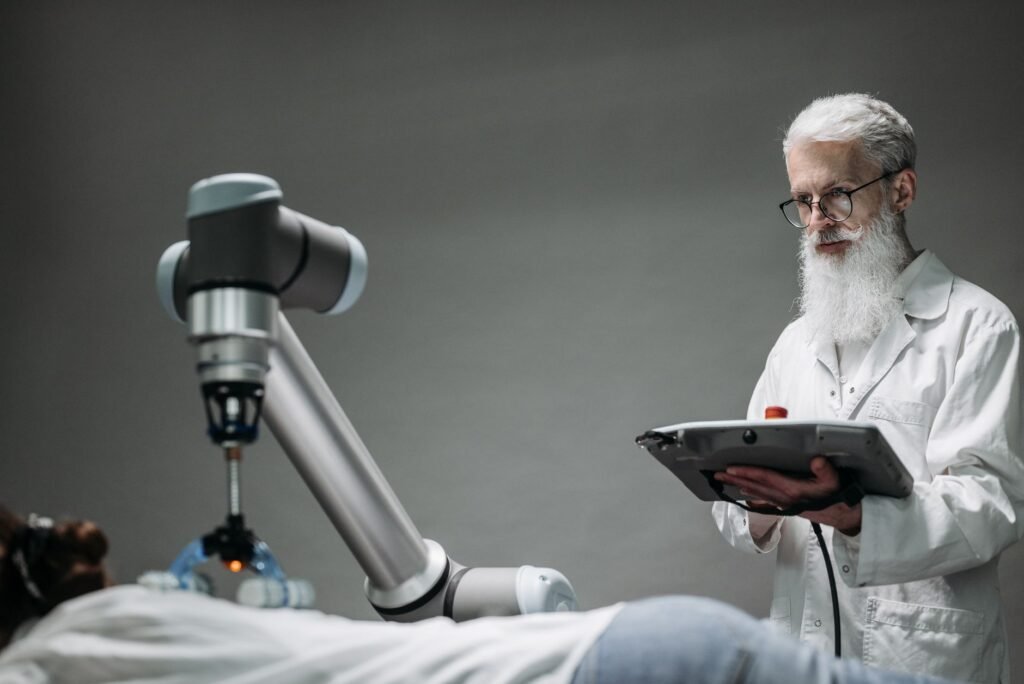
The AI Healthcare Revolution is Here—and It’s Changing Everything
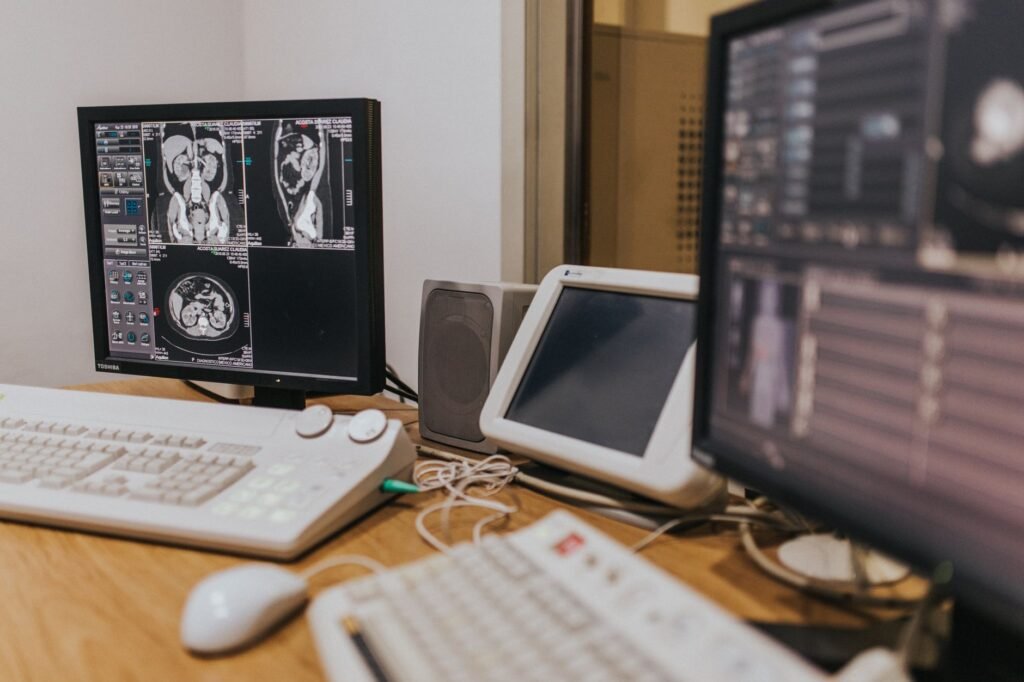
AI healthcare revolution isn’t science fiction anymore—it’s happening right now, in operating rooms, labs, and doctor’s offices across the globe. The last time I stepped into a hospital radiology department was just two years ago, and what I saw there blew my mind: machines that didn’t just scan X-rays but understood them better than most humans could at first glance. One system flagged early signs of infection in a chest X-ray so quickly it caught the technician off guard. That wasn’t about speed alone—it was about AI making sense of patterns we couldn’t see yet. In 2026, this isn’t just growth; it’s a complete shift. The machines aren’t just assisting—they’re taking on roles that were once purely human, from predicting heart attacks before symptoms show up to designing personalized cancer treatments based on genetic blueprints. The real question today isn’t if AI will dominate healthcare—it’s how fast we can stop underestimating what these systems are capable of.
The AI Healthcare Revolution in Action: What’s Working Now (And Where It Falls Short)
When people talk about the AI healthcare revolution, they often imagine robots taking over or chatbots replacing doctors. Reality? The most impactful changes are happening behind the scenes, not in flashy headlines. These systems aren’t replacing medical professionals—they’re freeing them up for what humans do best: nuanced care and judgment.
Take Massachusetts General Hospital’s CheXNet, an AI that scans chest X-rays for pneumonia with 90% accuracy—better than many junior radiologists. But here’s the twist: it doesn’t make final calls. Instead, it flags potential issues so doctors can focus on complex cases rather than spending hours poring over images. That’s not just efficiency—that’s a total shift in how healthcare happens.
Then there are labs like the one in Barcelona I visited where an AI reviews biopsy slides 10 times faster than pathologists could. It highlights suspicious patterns based on millions of cases, cutting diagnostic time from weeks to hours. But even here, no one trusts it blindly. The AI flags potential problems but always leaves the final decision to humans—a balance that’s proving essential.
Where AI Shines—and Where Human Touch Still Matters
The AI healthcare revolution has clear strengths, but its limits are becoming just as obvious. Here’s where it excels—and where human judgment remains irreplaceable:
- Crunching data like never before: AI sifts through electronic health records, ER notes, and even old paper charts to spot risks humans might miss. Cleveland Clinic uses these tools to predict which patients are likely to return to the hospital after discharge—based on subtle language patterns in their discharge summaries.
- Saving lives with predictions: In ICUs, AI systems now forecast sepsis outbreaks more accurately than traditional alarms. One study found they reduced mortality rates by nearly 20%—not by curing patients, but by getting help to them faster when it mattered most.
- Automating repetitive diagnostics: Skin-cancer AI scans photos faster than dermatologists and adjusts insulin pumps in real time for diabetics. But here’s the catch: these tools rely on data trained mostly on one type of skin tone, leading to errors that human oversight catches.
Where AI stumbles is in the emotional and relational aspects of care. It can’t comfort a patient after bad news or talk through treatment options with a family. That’s why the best systems today don’t replace humans—they partner with them, like how a GPS doesn’t drive for you but points out the safest route.
The AI Healthcare Revolution Meets Reality: Adoption, Skepticism—and Savings
Adopting AI in healthcare hasn’t been smooth sailing. At a Midwestern hospital I spoke to, resistance was so strong that leadership had to hold mandatory workshops just to explain how these tools work. Why? Because for many doctors and nurses, AI felt like a black box—algorithms they didn’t understand controlling their patients’ care. But hospitals that embraced change early are already seeing the benefits: a 2025 report found AI-driven efficiency alone saved the industry $150 billion annually by cutting waste.
One success story comes from Atrium Health in Charlotte, which deployed an AI assistant called Epic Beacon to manage patient scheduling. The system learns individual preferences—like preferred appointment times—and reduced no-shows by 32%. But here’s the key detail: nurses still call patients who keep missing appointments, using the AI’s insights to tailor reminders personally. It’s not about replacing humans; it’s about making their work smarter.
The biggest hurdles today center on two fears:
- Trust: When an AI suggests a diagnosis, doctors need to know why. Transparency—like Google’s explainable tools—will be critical in the coming years.
- Accountability: A recent case in Germany forced hospitals to disclose AI-assisted errors to patients after courts ruled they had to take responsibility for flawed diagnoses. Who’s liable when a machine gets it wrong? That question is still being fought out in courtrooms and boardrooms alike.
Despite these challenges, the AI healthcare revolution isn’t slowing down. By 2026, experts predict 70% of major healthcare providers will embed AI into daily workflows—up from just 15% in 2023. The shift won’t happen overnight, but it’s unstoppable. The bigger question is how we’ll make sure these tools don’t just save time—but also preserve the human connection that’s at the heart of medicine.
The Double-Edged Sword: When AI Saves Lives—and When It Nearly Misses One
Not all stories from the AI healthcare revolution end happily. In 2024, an AI radiology assistant at a U.S. cancer center flagged a lung nodule as “low-risk” despite subtle signs of metastasis being present. The patient didn’t return to check up for months—by then, the disease had spread. This wasn’t about AI failing; it was about limits in its training data. The system had seen few cases like this one, so its confidence flags missed the red flags.
But here’s where the revolution proves itself: that same hospital didn’t just accept the error. They recalibrated their algorithms with more diverse data, and today, the AI catches 95% of high-risk nodules in follow-ups. That’s proof positive—AI isn’t magic, but it’s improvable. It needs human oversight, constant updates, and a willingness to admit when it’s wrong.
The flip side? Consider DeepMind Health’s work at London’s Royal Free Hospital. Their AI analyzed electronic records to predict kidney injury risks from antibiotics—flagging 70% more cases than traditional methods. The result? Faster interventions, fewer hospital stays, and concrete lives saved. Here, AI healthcare revolution didn’t just spot a problem; it prevented one before it escalated.
The future of medicine is here, whether we’re ready for it or not. The AI healthcare revolution isn’t coming—it’s already transforming how we diagnose, treat, and prevent illness. The goal shouldn’t be to fear what’s next; it should be to shape it responsibly. Because when AI and human expertise work together, the possibilities are limitless.