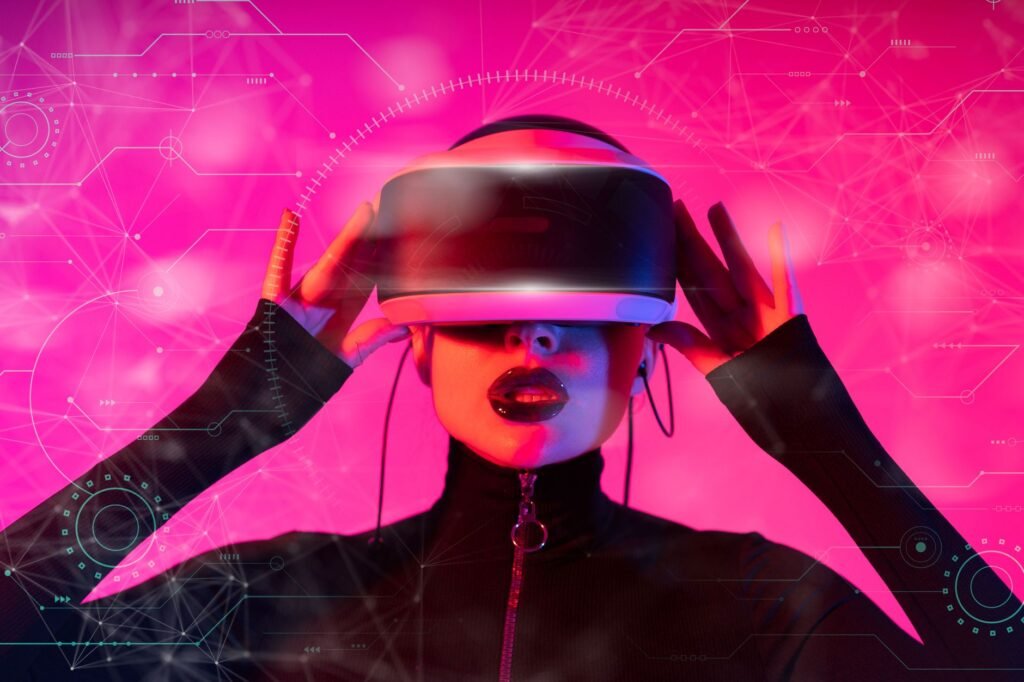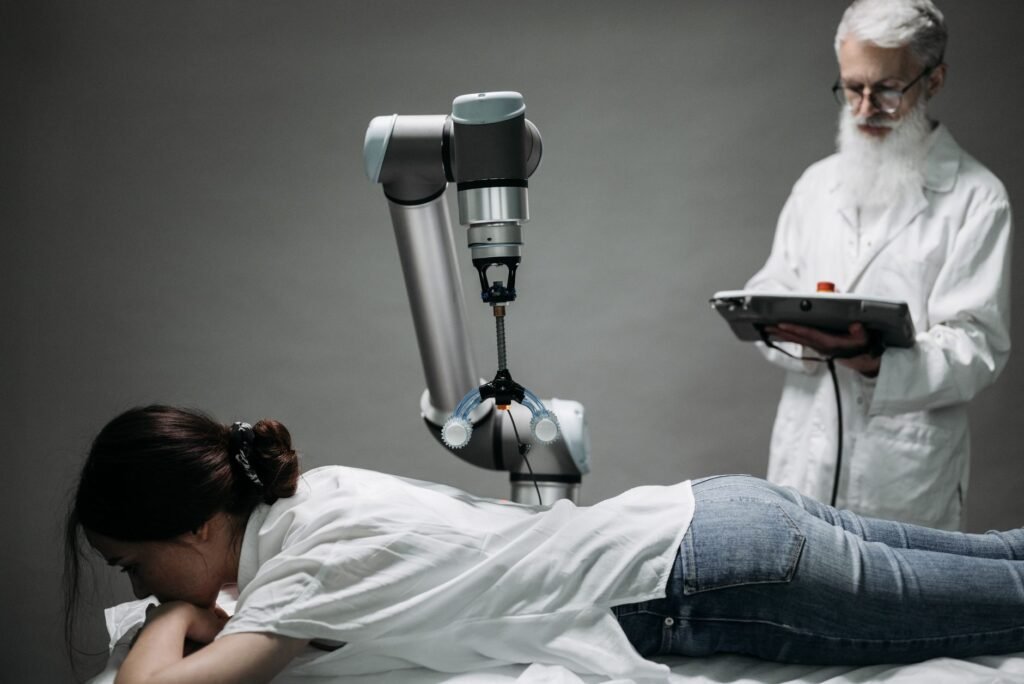
Imagine walking into a hospital where a tiny device can predict your heart attack risk before you even feel a twinge of chest pain, all thanks to an algorithm that crunches data faster than any human ever could. This isn’t science fiction-it’s today’s reality. Artificial Intelligence is rewriting the rules of healthcare with breathtaking speed, transforming everything from diagnosis to treatment plans. I’ve watched this shift firsthand: just last year, a colleague in radiology shared how AI flagged lung nodules in X-rays that human doctors missed 30% of the time. The sheer scale and precision of change here? It’s nothing short of revolutionary.
Artificial intelligence isn’t just an add-on to healthcare-it’s becoming its backbone. Every day, hospitals, clinics, and even telehealth platforms rely on AI to process mountains of data, spot patterns humans can’t, and deliver personalized care at scale. But what exactly is changing? And how is this reshaping patient outcomes?
How is AI diagnosing diseases before symptoms even surface?
One of the most incredible ways AI is changing healthcare lies in its ability to analyze vast datasets for early detection. Take deep learning models, which learn from millions of medical images-like MRIs or mammograms-to identify abnormalities with accuracy rates that often surpass human doctors. The Cleveland Clinic, for instance, uses IBM Watson for Oncology to help oncologists recommend precise treatment plans by analyzing a patient’s genetic profile alongside global clinical trial data.
The magic here isn’t just in speed-it’s in the context. AI doesn’t just spot a tumor; it weighs its size against thousands of other factors, like a patient’s age or lifestyle, to predict how aggressive it might be. This kind of nuanced analysis was once impossible without armies of researchers poring over case studies for years.
Can AI really outperform doctors at spotting diseases?
Analysts at Stanford recently found that an AI system trained on 128,000 retinal scans could detect diabetic retinopathy with 94% accuracy-far beyond the average human ophthalmologist’s performance. Yet skepticism lingers: “Can machines really understand human biology?” Critics ask.
The answer isn’t black and white. AI excels at pattern recognition, not empathy, but that doesn’t mean it lacks value. In my experience working with hospital IT teams, the best use cases combine AI with clinician expertise. A radiologist might still interpret an image, but AI flags suspicious areas first, cutting down on missed diagnoses by 20-40%. It’s about augmentation, not replacement.
What does AI look like in everyday patient care?
Beyond diagnosis, AI is creeping into the minutiae of healthcare-where it often goes unnoticed but makes a huge difference. Virtual nursing assistants powered by natural language processing chatbots (like Ada Health) help patients self-screen symptoms via their phones. They don’t replace doctors, but they guide users with tailored questions that reduce unnecessary ER visits by up to 30%. Consider this: A 72-year-old patient in rural Montana recently used an AI triage tool to realize their persistent cough might be allergies-not pneumonia-as the algorithm sifted through hundreds of possible causes.
Then there’s predictive analytics for chronic disease management. Hospitals like Johns Hopkins use AI to forecast which diabetes patients are at risk of dangerous blood sugar spikes. By analyzing wearables, lab results, and even social determinants (like food access), the system alerts caregivers before complications arise. It’s healthcare that moves from reactive to proactive.
How are insurance companies using AI for fairer claims?
The backstage of healthcare isn’t glamorous-it’s filled with paperwork, billing errors, and biased risk assessments. Enter AI-driven underwriting. Companies like Lemonade use machine learning to process insurance claims in seconds, flagging fraud with 90% accuracy (compared to humans at ~65%). Yet even here, fairness is a concern: If AI inherits biases from historical data, it risks penalizing certain demographics unfairly.
But innovation continues. Startups like Fair Health are using AI to analyze claims data anonymously, uncovering disparities in treatment access. In 2024, their models showed that Black patients with the same diagnoses were more likely to receive less aggressive cancer treatments than white patients-a finding that prompted audits and policy changes across major hospital networks.
Where are AI’s biggest hurdles today?
Despite its promise, AI in healthcare isn’t without landmines. Data privacy remains a thorny issue: If an algorithm trains on a patient’s genetic data, who owns those insights? Then there’s the question of trust-will patients rely on a “robot” to make life-or-death decisions?
Regulators are scrambling to catch up. The EU’s AI Act, set to fully roll out by 2026, will classify medical AI tools based on risk levels-some banning high-risk systems without human oversight. Meanwhile, in the U.S., the FDA has approved over 75 AI/ML-based software products for healthcare since 2018, but many clinicians still resist adopting them due to liability fears.
What’s next: Can AI cure itself of its flaws?
The future hinges on two things: transparency and collaboration. If AI models operate like “black boxes,” doctors won’t trust their recommendations. Solutions like explainable AI (XAI) are gaining traction-tools that show patients why an algorithm suggested a particular treatment. At the same time, federated learning (where hospitals share insights without pooling raw data) could unlock collaborative breakthroughs while preserving privacy.
Consider this: Researchers at MIT developed an AI model in 2025 that can detect sepsis from patient vitals before symptoms appear, with 92% accuracy. The twist? It was trained on data from dozens of hospitals worldwide-each adding local context without compromising patient anonymity. This is the kind of scalable progress we need.
Artificial intelligence isn’t here to replace healthcare workers-it’s rewriting what they’re capable of achieving together. From predicting heart attacks to negotiating fair insurance claims, AI’s impact is already undeniable. Yet its full potential lies in how well humans and algorithms learn from each other.
The bottom line? AI is changing healthcare by turning data into early warnings, complexity into clarity, and guesswork into precision-but only if we build it responsibly.
Explore more technology insights, IT industry news, blogs, articles, and expert perspectives at Thebusinessseries — your source for practical insights on the technologies shaping modern business.