Global artificial intelligence spending is about to cross a number so large it almost stops meaning anything. According to Gartner’s latest forecast released on September 17, 2026, worldwide spending on AI will total 2.7 trillion dollars this year. That is a 49.5% jump from 2025. Let that sink in for a second. Nearly half again as much money poured into this technology in a single year.
The Infrastructure Buildout Is the Biggest Project Humanity Has Ever Undertaken
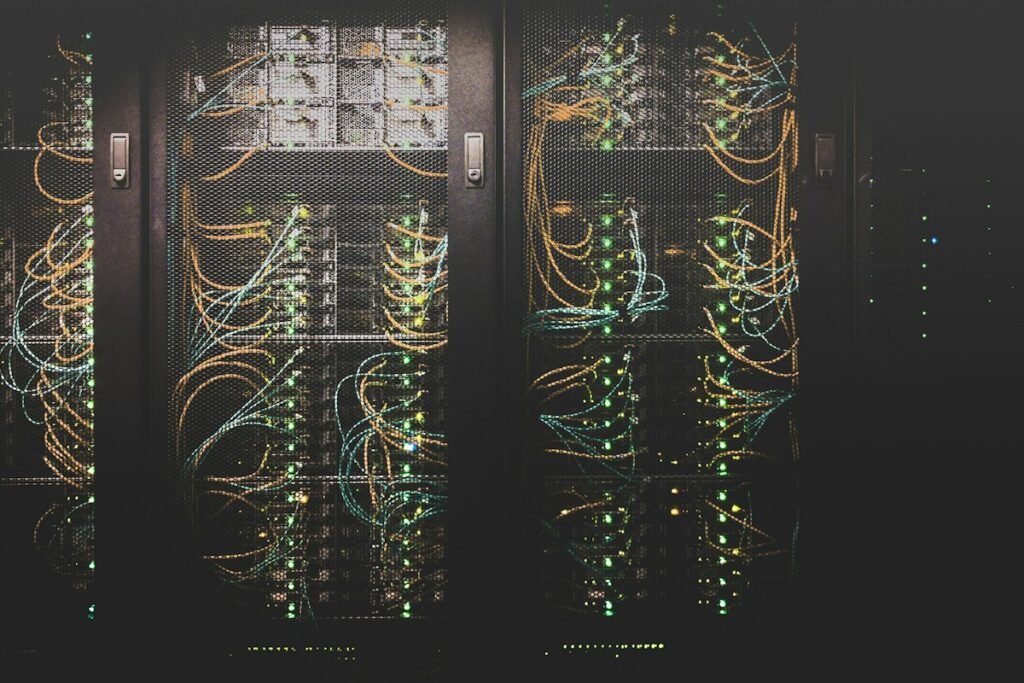
John-David Lovelock, a Distinguished VP Analyst at Gartner, did not sugarcoat it. He called the buildout of data center capacity the largest infrastructure project humanity has ever undertaken. And honestly, looking at the numbers, he might be right. Hyperscalers and service providers are snapping up optimized servers at a pace that makes the early cloud rush look like a warmup act.
The demand for infrastructure, including optimized IaaS, servers, network fabric, and processing chips, remains strong and inelastic. Even memory-related pricing increases have not slowed things down. Companies are not asking whether they can afford to build this capacity. They are asking whether they can afford not to. That shift in mindset is what drives a 49.5% year-over-year surge in spending.
This is not just a US story either. Cloud computing spending is accelerating globally, with providers across Asia and Europe racing to match the capacity that American hyperscalers are deploying. The infrastructure race has no finish line in sight, and the growth trajectory suggests we are still in the early stages of a multi-year expansion.
Software Vendors Are Embedding Agentic Capabilities Everywhere
Here is where it gets interesting. On the software side, vendors across every category are rapidly embedding agentic capabilities into their existing products. Not as standalone features, but as core components of how the software works. The reason is straightforward. If you are a CRM vendor and your competitor just shipped agents that can autonomously handle customer workflows, you either ship something similar or you lose deals.
Gartner noted that generative models are firmly in the Trough of Disillusionment in 2026. That sounds bad, but it actually means enterprises are moving past the hype and using simpler embedded features from their incumbent software providers. They are growing operational efficiency, automating workflows, improving customer engagement, and enhancing decision making. In other words, the boring stuff is working. The flashy demos are not.
This creates a fascinating dynamic. Companies are turning to service providers less often to help them manage business transformation and more often for smaller indirect projects to exploit features of their existing software systems. The risks of vendor lock-in, data sovereignty, and runaway costs are not deterring buyers. They want the capabilities now and they will figure out the governance later.
The Numbers Tell a Story of Acceleration Not Stabilization
What makes this forecast remarkable is not just the size but the trajectory. Application development platform growth jumped from 28% to 39% in a single quarter. Generative model spending increased from 110% to 117% growth. These are not small revisions. Gartner is essentially saying the market is accelerating faster than even their own models predicted three months ago.
The combination of transformation and indirect projects is forecast to drive a 1.2 trillion dollar opportunity in services by 2030. And that is just services. When you add infrastructure, software, and hardware, the total addressable market becomes genuinely hard to comprehend. We are talking about an economic shift that touches every industry from healthcare to manufacturing to financial services.
Think about what this means for businesses. If you are still treating this technology as a side project or an innovation lab experiment, you are falling behind at an accelerating rate. Your competitors are not waiting. They are deploying agents, automating workflows, and embedding smart features into every customer touchpoint.
What This Means for Every Business Leader Reading This
So here is the uncomfortable truth. The question is no longer whether your company should invest in these tools. That debate ended twelve months ago. The question now is how fast you can deploy and how effectively you can integrate smart automation into your existing operations without breaking everything that already works.
The companies seeing the biggest returns are not the ones spending the most. They are the ones that simplified their processes first, then layered technology on top. They mapped their workflows, identified the bottlenecks, and then deployed agents to handle the repetitive complexity. That approach beats throwing money at the problem every single time.
MIT researchers recently found that just 11% of S&P 500 firms had deep AI integration by the end of 2025. Another 45% were running pilots. But many of those pilots will never make it to full production. The gap between experimenting and actually transforming your business is where the real money is being made, and lost.
If your strategy still involves waiting to see what works for others, you are already behind. The 2.7 trillion dollar train has left the station. The only question left is whether you are on it or watching it go by.
For deeper spending insights and timely industry news, connect with The Business Series for expert analysis on growth, cloud infrastructure, and enterprise technology.