The Federal Reserve just raised interest rates for the first time since 2023, and the stock market reaction has been anything but calm. On September 16, 2026, the FOMC voted unanimously to push the federal funds rate up by 25 basis points to a range of 3.75% to 4.00%. That unanimous 12-0 vote tells you something important. Every single member of the committee agreed this was the right move, which means the internal debate is over. The era of rate cuts is officially behind us.
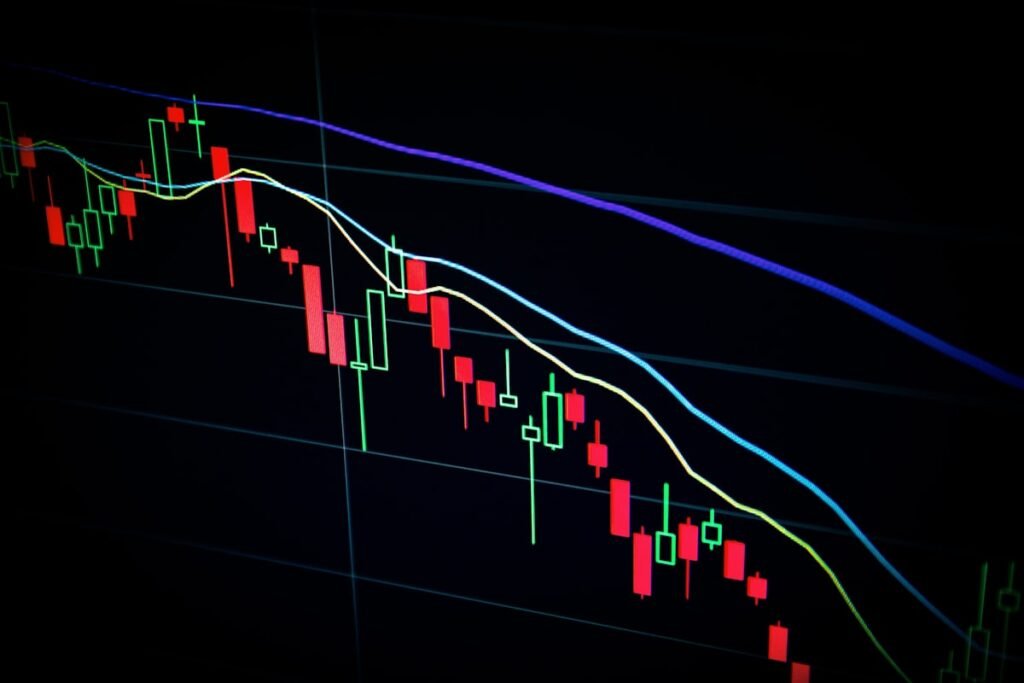
Now, if you are watching your portfolio and wondering whether to panic, take a breath. Markets actually anticipated this move. Traders had priced in an 80% to 90% probability of a hike going into the meeting, which means Wall Street already adjusted its expectations. The S&P 500 dipped slightly after the announcement but nothing dramatic. The real question is not what happened this week. It is what comes next.
What the Fed Rate Hike Means for Stock Market Investors
Higher interest rates change the math for every stock on the market. When the Fed raises rates, borrowing costs go up for companies. That means smaller profit margins, slower expansion plans, and less money flowing into buybacks. Growth stocks, especially in technology, tend to feel the squeeze first because their valuations depend heavily on future earnings. When you discount those future earnings at a higher rate, the present value drops.
But here is the part most people miss. Not all sectors get hurt by higher rates. Banks and financial institutions actually benefit. They can charge more for loans while their deposit costs rise more slowly. Insurance companies see better returns on their bond portfolios. Value stocks in energy, healthcare, and consumer staples tend to hold up better than high-flying tech names during rate hike cycles.
The Fed also signaled that more hikes could be coming. Officials’ year-end rate projections sit between 4.1% and 4.4%, which suggests at least one more 25-basis-point increase before the end of 2026. Some projections even extend rate hikes into 2027. That forward guidance matters more than the current move because it shapes how investors position for the next six to twelve months.
Why the Fed Decided to Hike Rates Now
Inflation has not cooperated. After months of the Fed holding rates steady, price pressures reappeared in key areas. Housing costs remain elevated. Services inflation refuses to break below the threshold the Fed considers acceptable. Wage growth, while good for workers, keeps feeding into the price spiral that central bankers worry about.
The labor market also played a role. Unemployment remains historically low, and businesses keep hiring despite higher borrowing costs. That kind of resilience gives the Fed room to tighten without fearing an immediate recession. Jerome Powell and his team basically looked at the data and concluded that the economy can handle another rate increase.
There is also the global picture. Central banks in Europe and Asia have been adjusting their own monetary policies, and the Fed does not operate in a vacuum. If the US stays behind the curve on rate adjustments while other economies tighten, capital flows get messy and the dollar gets pushed around. A strong dollar helps with imports but hurts US exporters, so the Fed has to balance domestic and international factors.
How Smart Investors Should React to Rising Rates
First, do not make panic decisions. History shows that knee-jerk reactions to Fed announcements almost always lose money. The market has survived dozens of rate hike cycles over the past several decades, and long-term investors who stayed the course came out ahead every single time.
Second, look at your portfolio allocation. If you are overweight in high-valuation growth stocks, this might be a good time to rebalance toward more value-oriented positions. Some of this rebalancing involves understanding AI productivity tools that companies are adopting. Dividend-paying stocks become more attractive when bond yields rise because investors demand higher returns from equities. That means stocks with solid dividend histories and stable earnings get bid up while speculative names face pressure.
Third, consider fixed income opportunities. Higher rates mean better yields on bonds, Treasury bills, and CDs. For the first time in years, you can actually earn meaningful returns from safe, government-backed instruments. That changes the risk-reward calculation for conservative investors who spent the past decade getting nothing from savings accounts.
The Bigger Picture Beyond This Rate Decision
One rate hike does not make a trend, but the direction is clear. The Fed is shifting from an easing posture to a tightening one, and that transition takes time to fully play out in markets. Corporate earnings reports in the coming quarters will reveal which companies adapted well to higher borrowing costs and which ones are struggling with the new reality.
Sectors worth watching include real estate, which historically gets hit hardest by rising rates, and small-cap stocks, which rely more heavily on variable-rate debt. On the flip side, keep an eye on financials and companies with strong pricing power that can pass higher costs to customers without losing demand.
The stock market always finds a way to adapt. Companies that invest in AI skills training for their workforce tend to navigate these transitions better. Traders will adjust their models, portfolio managers will reshuffle their holdings, and new opportunities will emerge from the disruption. The investors who stay informed and patient are the ones who end up on the right side of these cycles.
For deeper financial insights and timely market analysis, connect with The Business Series for expert coverage on rate decisions, investment strategy, and stock market trends.