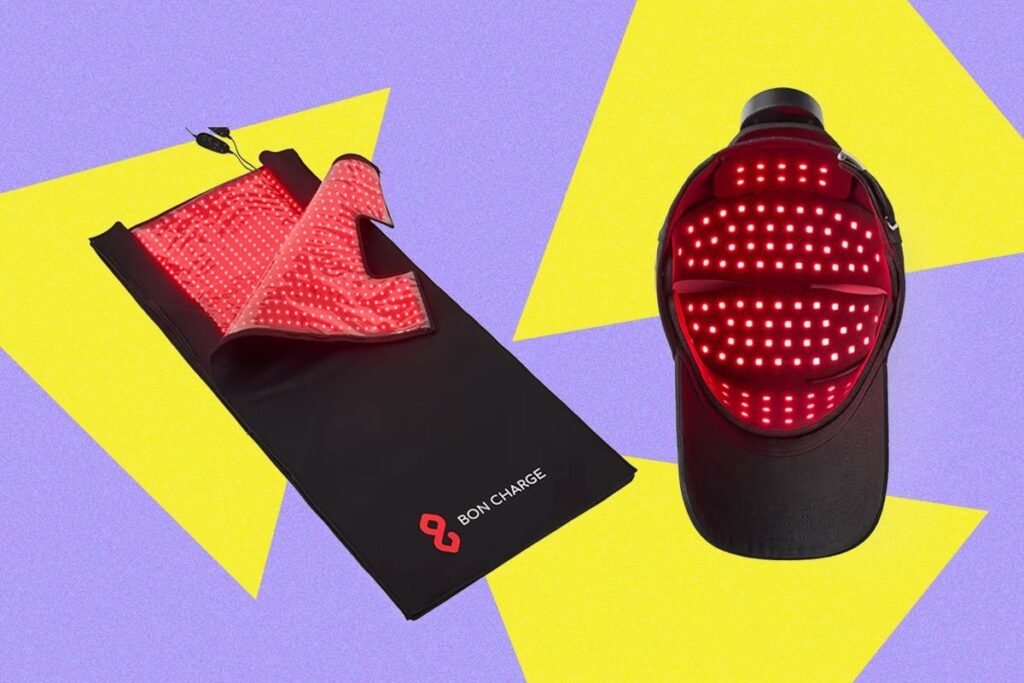
Does Red Light Therapy. Does Red-Light Therapy Work, and Why It Might Just Change Your Skin and Muscle Repair Routine?Red-light therapy, also known as low-level laser therapy (LLLT) or photobiomodulation (PBM), has been tout
been touted as a miraculous way to rejuvenate skin and aid in muscle repair. The therapy involves exposing the skin to low-intensity red or near-infrared light, which is absorbed by the body’s cells, promoting healing and reducing inflammation.
The concept of red-light therapy isn’t new, but its popularity has grown significantly in recent years, particularly among individuals looking for a non-invasive and chemically-free solution for their skin and muscle concerns. While there are various claims about its effectiveness, does red-light therapy really work?
One of the primary ways red-light therapy is believed to work is by stimulating the body’s natural repair processes. The red or near-infrared light emitted by the therapy stimulates the mitochondria, which are the powerhouse of cells responsible for energy production. By increasing energy production, red-light therapy is thought to promote healing and regenerate damaged cells.
In addition to its potential benefits for skin and muscle repair, red-light therapy is also believed to have anti-aging effects. The low-intensity light emitted by the therapy has been shown to increase collagen production, reduce fine lines and wrinkles, and improve skin texture.
Many people swear by red-light therapy for its ability to reduce pain and inflammation. The therapy has been used to treat a range of conditions, including arthritis, fibromyalgia, and muscle strains. While the science is still out on its effectiveness for these conditions, many users report significant reductions in pain and discomfort.
When it comes to skin concerns, red-light therapy has been shown to improve acne, reduce scarring, and even out skin tone. The therapy has also been used to stimulate hair growth, which may be beneficial for individuals experiencing hair loss due to aging or other health conditions.
One of the benefits of red-light therapy is its non-invasive nature. Unlike other skin treatments, such as chemical peels or microdermabrasion, red-light therapy doesn’t involve any harsh chemicals or abrasive methods. It’s also a pain-free solution, making it an attractive option for those who are sensitive to pain or prefer a more relaxing experience.
The American Academy of Dermatology recommends consulting with a healthcare professional before starting any new skin treatment, including red-light therapy.
While red-light therapy shows promise, more research is needed to fully understand its effects on skin and muscle repair. If you’re considering trying red-light therapy, talk to a healthcare professional first to discuss your options and determine if it’s right for you.
Light therapy devices can be purchased both online and in-store for home use, but be sure to follow the manufacturer’s guidelines and consult a healthcare professional if unsure about how to use it properly.
With its potential to rejuvenate skin and aid in muscle repair, red-light therapy is an emerging solution for those looking for a non-invasive and chemical-free way to improve their overall health and well-being.
Whether you’re experiencing acne, muscle strain, or simply looking for a way to slow down the aging process, red-light therapy may be worth exploring. While more research is needed to fully understand its effects, many people have already reported positive results.
Red-light therapy may not be a miracle cure, but it has the potential to be a valuable addition to your skincare and muscle repair routine.