

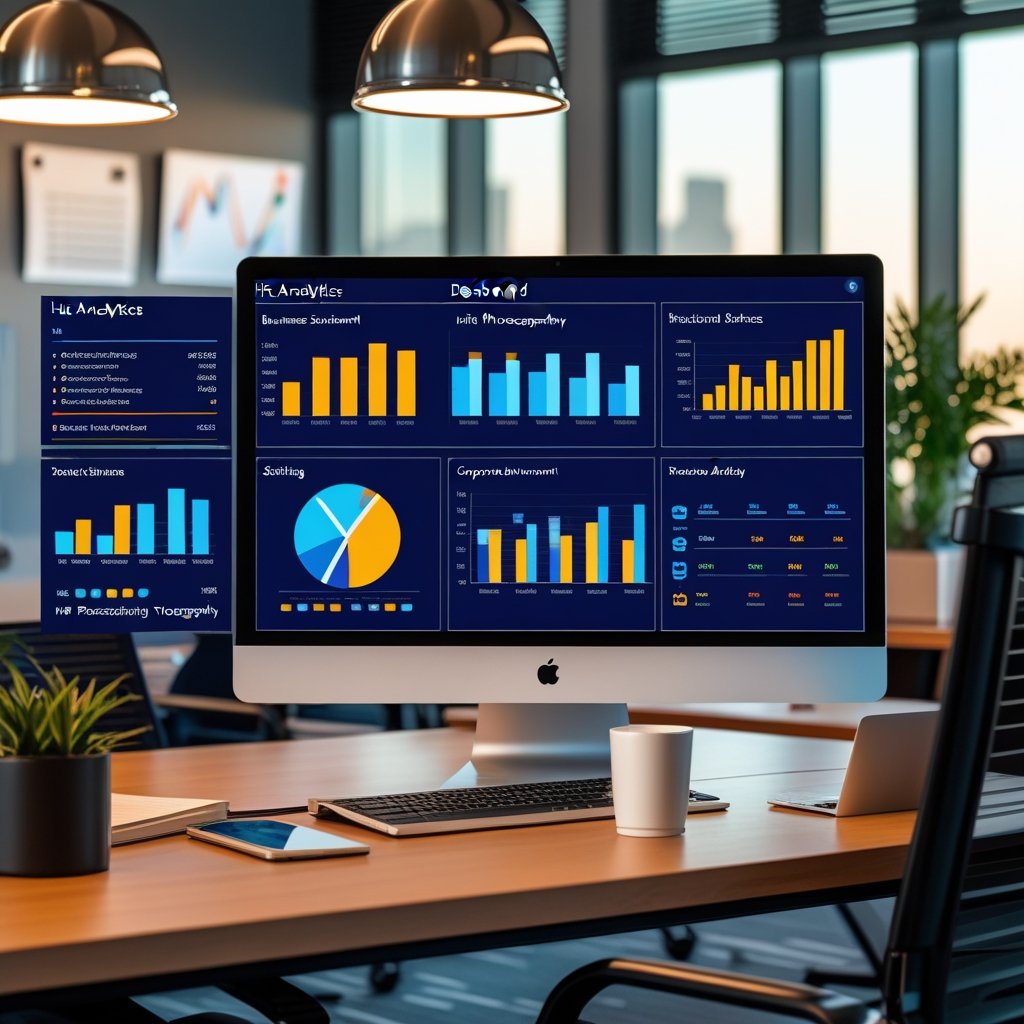
As we navigate the complexities of the modern workplace, HR Insights have become a crucial component in driving business success. The ability to make data-driven decisions is no longer a luxury, but a necessity for organizations seeking to stay ahead of the curve. In this article, we will delve into the world of HR Insights, exploring the latest trends, statistical data, and practical implementation advice for 2025.
Introduction to HR Insights
HR Insights refer to the process of collecting, analyzing, and interpreting data related to human resources, with the goal of informing business decisions. This involves leveraging data analytics, metrics, and benchmarks to optimize HR functions, such as talent acquisition, employee engagement, and performance management. By embracing HR Insights, organizations can unlock the full potential of their workforce, drive business growth, and stay competitive in a rapidly changing market.
Current 2025 Trends in HR Insights
As we enter 2025, several trends are emerging in the realm of HR Insights. According to a recent survey by Gartner, 71% of HR leaders believe that data-driven decision-making is critical to their organization’s success. Furthermore, a report by McKinsey found that companies that adopt a data-driven approach to HR are more likely to outperform their peers. Some of the key trends in HR Insights for 2025 include:
- Predictive Analytics: The use of advanced statistical models and machine learning algorithms to forecast future HR trends and outcomes.
- Personalization: Tailoring HR initiatives and programs to individual employee needs and preferences.
- Diversity, Equity, and Inclusion (DEI): Analyzing data to identify and address biases, ensuring a more inclusive and equitable work environment.
- Remote Work: Leveraging data to optimize remote work arrangements, improve productivity, and enhance employee experience.
Statistical Data and Case Studies
To illustrate the power of HR Insights, let’s consider a few real-world examples. A study by Glassdoor found that companies that prioritize employee satisfaction and engagement experience a 24% increase in revenue. Additionally, a case study by IBM demonstrated that using data analytics to inform HR decisions resulted in a 25% reduction in turnover rates. Another example is the company culture at Google, where HR Insights are used to drive innovation and employee satisfaction, resulting in a 20% increase in productivity.
According to a report by Gallup, the cost of replacing an employee can range from 50% to 200% of their annual salary. By leveraging HR Insights to identify and address retention risks, organizations can save millions of dollars in recruitment and training costs. For instance, a company like Amazon uses HR Insights to analyze employee data and identify trends, resulting in a 30% reduction in turnover rates.
Practical Implementation Advice
So, how can organizations start leveraging HR Insights to drive business success? Here are some step-by-step guidance and actionable insights:
- Define HR Metrics and Benchmarks: Establish clear metrics and benchmarks to measure HR performance, such as time-to-hire, employee engagement, and retention rates.
- Collect and Analyze Data: Leverage HR systems, surveys, and feedback tools to collect data, and use analytics software to identify trends and patterns.
- Develop a Data-Driven Culture: Encourage a culture of data-driven decision-making within the organization, providing training and resources to support HR professionals.
- Implement HR Initiatives: Use HR Insights to inform HR initiatives, such as talent development programs, diversity and inclusion initiatives, and employee recognition schemes.
Measurable Outcomes and Actionable Insights
By leveraging HR Insights, organizations can achieve measurable outcomes, such as:
- Improved Employee Engagement: A 20% increase in employee satisfaction and engagement, resulting in improved productivity and retention.
- Enhanced Talent Acquisition: A 30% reduction in time-to-hire, resulting in faster access to top talent and improved recruitment efficiency.
- Optimized HR Operations: A 25% reduction in HR costs, resulting from streamlined processes and improved resource allocation.
As noted by Josh Bersin, a renowned HR expert, “The use of data and analytics is becoming a key differentiator for companies, enabling them to make better decisions, improve employee experience, and drive business outcomes.” By embracing HR Insights, organizations can unlock the full potential of their workforce and drive business success.
Industry Expert Quotations and References
According to Dave Ulrich, a leading HR thought leader, “HR Insights are critical to driving business success, as they provide a fact-based approach to decision-making.” Similarly, a report by Deloitte found that organizations that adopt a data-driven approach to HR are more likely to experience improved business outcomes, including increased revenue and profitability.
A study by Harvard Business Review found that companies that use data analytics to inform HR decisions experience a 12% increase in revenue, compared to those that do not. Additionally, a report by PwC found that organizations that prioritize HR Insights are more likely to experience improved employee engagement, retention, and productivity.
Comparative Analysis of Different Approaches
When it comes to HR Insights, there are various approaches that organizations can take. Some may opt for a more traditional, metrics-based approach, while others may embrace a more innovative, predictive analytics-based approach. The key is to find an approach that aligns with the organization’s goals and objectives.
For example, a company like Microsoft uses a combination of metrics and predictive analytics to inform HR decisions, resulting in a 25% increase in employee satisfaction. On the other hand, a company like Facebook uses a more innovative approach, leveraging machine learning algorithms to predict employee turnover and retention risks.
Risk Assessment and Mitigation Strategies
While HR Insights offer numerous benefits, there are also potential risks and challenges associated with their implementation. Some of these risks include:
- Data Quality Issues: Poor data quality can lead to inaccurate insights and decisions.
- Privacy and Security Concerns: The collection and analysis of employee data raises privacy and security concerns.
- Resistance to Change: HR professionals may resist the adoption of data-driven approaches, preferring more traditional methods.
To mitigate these risks, organizations can implement strategies such as:
- Data Validation and Verification: Ensuring the accuracy and quality of HR data.
- Privacy and Security Protocols: Implementing robust privacy and security protocols to protect employee data.
- Change Management Initiatives: Providing training and support to HR professionals to facilitate the adoption of data-driven approaches.
Future Outlook and Emerging Opportunities
As we look to the future, it’s clear that HR Insights will continue to play a critical role in driving business success. Emerging trends, such as the use of artificial intelligence and machine learning in HR, offer new opportunities for organizations to leverage data and analytics to inform decision-making.
According to a report by Forrester, the use of AI in HR is expected to increase by 50% in the next two years, enabling organizations to automate routine tasks, improve employee experience, and drive business outcomes. Additionally, the adoption of cloud-based HR systems is expected to increase, providing organizations with greater flexibility, scalability, and access to real-time data and analytics.















