

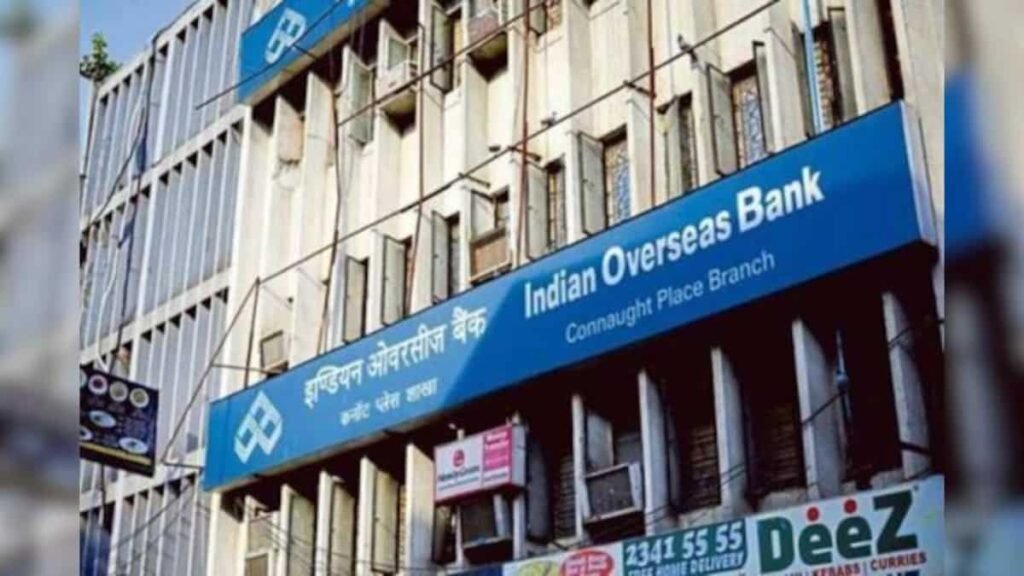
The Indian Banking Sector: iob Shares Fall As Government Announces Stake Sale via OFS.
Government plans to sell up to 3 per cent stake in IOB at Rs 34 per share, a 7 per cent discount to Tuesday’s close; OFS opens tomorrow for non-retail investors, retail bids on Thursday, raising questions about the country’s banking sector.
This significant move by the government to sell its stake in the bank is likely to have a iob stock price impact on the markets. The sale is part of the government’s plan to reduce its stake in state-run banks to 52 per cent. The sale aims to raise Rs 1,000 crore.
The sale will be done through the Offer For Sale (OFS) route, where the government will sell 3 per cent of its stake in the bank. The shares will be available for bidding at Rs 34 each. Bids will be accepted from non-retail investors on tomorrow, while retail bids will be accepted on Thursday.
Government’s Plan to Reduce Stake in State-Run Banks
The government’s plan to reduce its stake in state-run banks is a strategic move to improve the banks’ efficiency and profitability. By reducing its stake, the government aims to increase the banks’ autonomy and reduce its role in their decision-making process.
The sale is also part of the government’s broader plan to improve the banking sector. The government has been working to enhance the banks’ capital adequacy ratio and reduce their non-performing assets.
Impact on IOB Stock Price
The sale is expected to have a significant impact on IOB’s stock price. The bank’s shares have already fallen by 4 per cent in reaction to the news.
However, the sale is also expected to improve the bank’s capital adequacy ratio and reduce its non-performing assets. This could have a positive impact on the bank’s stock price in the long term.
Business strategies to boost the banking sector have been a topic of discussion for the government and experts.
Meanwhile, the government’s decision to sell its stake in IOB has raised questions about the country’s banking sector. The sector has been facing a lot of challenges, including high non-performing assets and low capital adequacy ratio.
Indian Banking Sector: Challenged and Evolving
The Indian banking sector is going through a challenging phase. The sector is facing high non-performing assets and low capital adequacy ratio, which has raised concerns among investors.
However, the sector is also evolving with new technologies and innovations. The sector is moving towards digitalization and is expected to improve its efficiency and profitability.
The government’s plan to sell its stake in IOB is a strategic move to improve the banking sector. The sale is expected to have a significant impact on the sector and could be a step towards a more stable future for the banks.
Read more about the banking sector on Wikipedia.
The IOB shares sale will be a significant event for the Indian banking sector. It will be interesting to see how the sale pans out and what impact it has on the sector.
Government’s Future Plans for the Banking Sector
The government has a lot of plans for the banking sector. The government is working to improve the sector’s efficiency and profitability and is expected to announce more measures in the coming days.
The government’s plan to sell its stake in IOB is a sign of its commitment to improve the sector. The sale is expected to have a positive impact on the sector and could lead to more investments in the sector.
The Indian banking sector is expected to grow in the coming days and years. The sector is expected to witness a lot of innovations and changes, including the introduction of new technologies and business models.















