

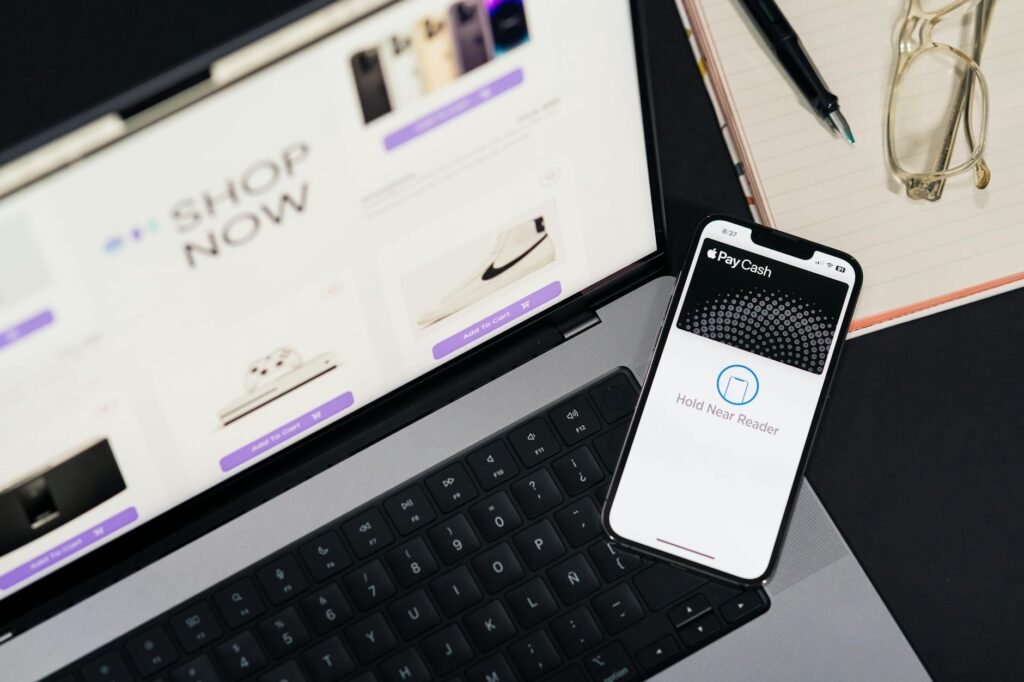
Remember that chaotic but electrifying Shein livestream where a host in a tiny apartment sold $12 million in 90 minutes? No, it wasn’t a glitch-it was a masterclass in turning real-time energy into real-time sales. That’s the live shopping guide in action: equal parts showmanship, psychology, and tech. Companies like Taobao don’t just use it-they *dominate* with it, clearing $1.5 billion in inventory during single events. I’ve seen small boutiques with 5,000 followers move dead stock in hours using the same tactics. Yet most sellers treat live shopping like an afterthought, which is why their results look like a ghost town compared to the chaos of a well-run stream. Here’s the truth: it’s not just another sales channel-it’s a full-blown interactive experience where every pause feels like a missed opportunity.
live shopping guide: Live shopping isn’t a trend-it’s a retail reset
Live shopping isn’t about pretty product shots or static descriptions. It’s a hybrid of *Big Brother* meets *Oprah*-hosts who can’t hide their enthusiasm (or lack thereof) and audiences who buy on gut reactions, not specs. Take Lula Virtual’s 2025 numbers: they moved $1.8 billion through livestreams by making the process feel like a social hangout, not a transaction. The secret? They treated it like a performance where the product was just the backdrop. I’ve watched clients stumble over simple hosting mistakes-like ignoring chat or reading scripts word-for-word-and wonder why their sales flatlined. The best live shopping guides don’t sell products; they sell *experiences*.
Three rules the pros never break
Companies that nail live shopping follow these unspoken laws, even if they don’t realize it:
- Authenticity beats polish-Amazon’s Livestream hosts who joke about their cats selling more than premium tech prove it. People buy from people who feel *real*, not influencers.
- Urgency isn’t just discounts-Taobao’s “last 3 items” countdowns work because they create FOMO, not just savings. Even a simple “chat says we’ll stop shipping tomorrow!” drives impulse buys.
- The chat is your co-host-I’ve seen brands treat chat like a suggestion box. Wrong. The best hosts turn it into a conversation: *”@Alex, you’re right-here’s the blue one’s flaw!”* The interaction feels personal.
Yet companies ignore these because they assume live shopping is “just for fashion.” Wrong. A B2B client of mine sold 40% more industrial parts through a live demo because they treated it like a consultative sales call-complete with real-time Q&A. The key? Match the energy to your product.
How to build your own live shopping guide (without looking like an amateur)
You don’t need a 10-minute script or a viral host-just a strategy. Start with a “soft launch”: 30-minute streams with 1-2 products, limited stock, and a host who’s comfortable being playful. Platforms like Kick.com handle the tech, but don’t let them distract you. I’ve watched brands spend hours setting up the dashboard and forget to *engage*. Simply put: the live shopping guide is 20% product, 80% interaction.
- Pre-show: Tease like you’re announcing a party. *”Tomorrow at 7pm: I’m turning my garage into a tech showroom. DM ‘GARAGE’ to snag the early bird deal.”*
- During: Use the “host + sidekick” dynamic. One sells; the other reads chat or plays devil’s advocate (*”But what if it breaks after one use?”*). It keeps energy up.
- Post-show: Don’t vanish. Send a *”Missed the stream? Here’s the replay + 10% off”* email. Tools like Shopify’s live chat integrations make this easy.
Pro tip: Record your first three streams. Watch for awkward silences or over-explaining. Lula Virtual’s founders started with cringe-worthy streams but learned fast-by laughing at their mistakes. That’s how you turn a live shopping guide from a gimmick into a revenue driver.
Where most sellers go wrong
The biggest mistake? Assuming live shopping is a “set it and forget it” tactic. I’ve seen brands go live once, get 10 sales, and quit-only to realize they missed the point entirely. The live shopping guide isn’t about the product; it’s about the *moment*. Companies fail because they:
- Ignore time zones. A client in Germany assumed 9pm CET was prime-until analytics showed 90% of their audience was tuning in at 3am.
- Use generic hosts. A CEO’s offhand *”I don’t have time for this”* killed engagement faster than a bad product demo.
- Overlook analytics. Shein doesn’t just track sales; they track *drop-off points*. If viewers leave during the demo, they shorten it next time.
The most critical error? No backup plan. Tech fails happen. The brands that bounce back with humor (*”Well, at least we’re saving bandwidth! 20% off for everyone!”*) keep buyers engaged. Live shopping isn’t about the product-it’s about the *story*. And stories have hiccups.
Live shopping won’t disappear. The brands that thrive aren’t the ones with the biggest budgets; they’re the ones who treat it like a live event, not a sales channel. Whether you’re flipping T-shirts or selling enterprise software, the principles stay the same: be present, create urgency, and make it fun. Start small. Learn fast. And yes-embrace the bloopers. Because in live shopping, every mistake is just another chapter in your guide.















