

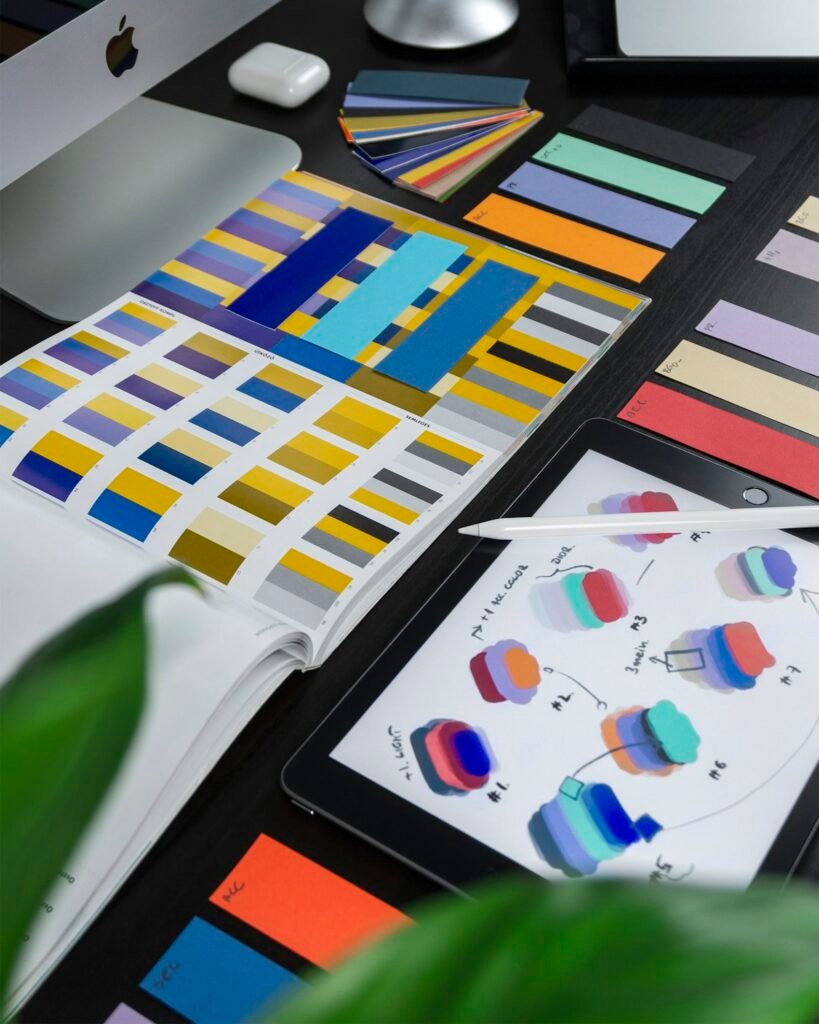
Brand refreshes are everywhere right now. In just the past few weeks, Novo Nordisk shortened its name to Novo. Carter’s launched its first rebrand in 25 years. Sonos pivoted from tech specs to emotional storytelling. Oscar Health split itself into three separate identities. Everyone is remodeling their image.
But here is the honest question nobody in marketing wants to answer: how many of these company transformations actually matter to the people they are supposed to reach?
Why So Many Companies Are Hitting Refresh at Once
There is a reason so many businesses are rebranding simultaneously. Consumer expectations have shifted dramatically. Novo Nordisk CEO Mike Doustdar said it plainly — people want healthcare to feel more responsive, relevant, and easier to fit into everyday life. The old clinical, sterile visual identity that worked for doctors and pharmacists does not connect with consumers buying Ozempic and Wegovy online.
This is not just a healthcare thing. Carter’s is refreshing because two-thirds of expecting parents will be Gen Z by the end of this decade. These parents shop differently, make decisions with their kids, and live on social media. The old company identity spoke to millennials and Gen X families. It needed an update to survive.
The link between this kind of leadership decision and actual business results is real. When leadership commits to a company-wide visual and strategic shift, it has to be backed by data and cultural understanding, not just a new logo.
The Difference Between a Rebrand That Works and One That Does Not
Sonos might be the most instructive example here. The company nearly destroyed itself with a bad software update that cost an estimated $100 million in revenue. Its new campaign, Love the Sound Feel the System, shifts from talking about calibrated acoustics to talking about how music feels in your living room. That is not just a visual change. That is a genuine transformation in how the company positions itself.
The mistake most businesses make is treating a visual refresh like a coat of paint. New colors, new logo, new tagline, done. But corporate identity is not about how you look. It is about what you promise and whether you actually deliver on it. Carter’s new Watch Them Glow campaign tries to capture the emotional reality of parenting. Whether it works depends on whether the product experience matches the visual promise.
What AI Productivity Means for Creative Teams
Here is something that does not get enough attention in these corporate transformation conversations. Creative teams are now working with AI productivity tools that change how they create, test, and deploy visual content. The ability to rapidly prototype messaging, test different narratives with audiences, and iterate based on real feedback is fundamentally different from the old model of hiring an agency, waiting three months, and hoping for the best.
Novo Nordisk brought its rebranding in-house. Sonos developed its new campaign in-house. This is not a coincidence. When companies need to move fast and stay authentic, keeping creative control close to the business makes more sense than outsourcing it.
The Real Question Behind Every Corporate Refresh
Every company transformation should start with one simple question: are we doing this because our customers need us to, or because our board wants to feel like something changed? The best refreshes in 2026 are the ones rooted in real cultural shifts and genuine business strategy. The worst ones are expensive logo redesigns that confuse existing customers without attracting new ones.
For deeper branding insights and timely industry news, connect with The Business Series for expert analysis on brand strategy and transformation.















