

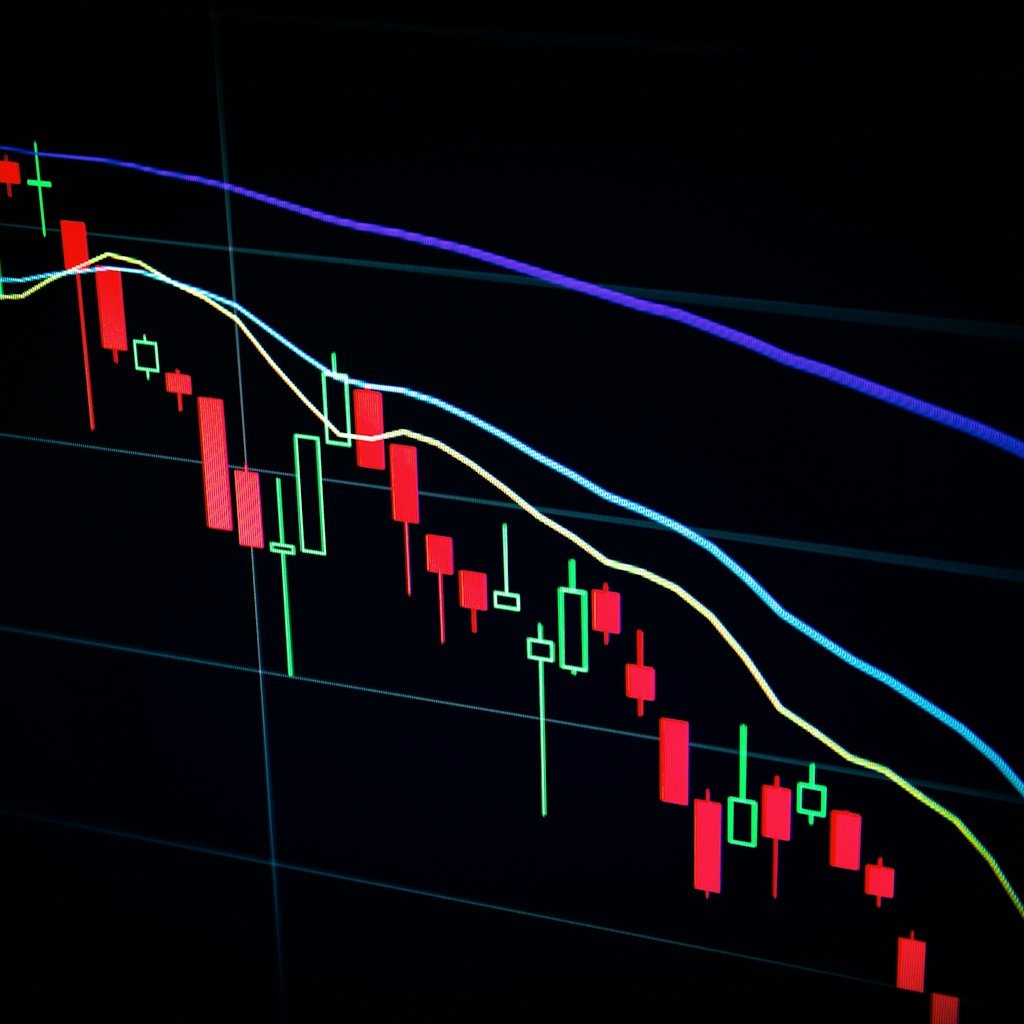
Global stock markets traded mixed after the Federal Reserve raised interest rates for the first time in over three years. The S&P 500 fell 0.45 percent. The Dow dropped 1.21 percent. But Asian markets showed resilience with the Nikkei gaining 0.5 percent. The reaction was measured, not panicked, suggesting that markets had largely priced in the hike after weeks of signaling from Fed officials. But the underlying tension between inflation control and economic growth remains unresolved.
The Fed raised its benchmark rate by 25 basis points to a range of 3.75 to 4.00 percent. The decision was unanimous, which is notable because it shows the entire FOMC agreed on the direction. The central bank said the move would support a timelier return of inflation toward its 2 percent target. That language matters because it signals the Fed’s primary concern remains inflation, even as economic growth shows signs of slowing in some sectors.
What the Fed Decision Means for Business
Longer-dated Treasury yields eased back below the 5 percent level after the announcement. That provided some relief to equity markets that had been under pressure for weeks. The 10-year yield closed at 5.006 percent but traded about 7 basis points lower the next morning. That yield movement is significant because it reduces borrowing costs for businesses and consumers, providing a small cushion against the tighter monetary policy.
Jobless claims fell to 196,000, down 10,000 from the previous week. That’s a strong labor market signal that gave the Fed confidence to hike. The four-week average dropped to 203,250. The economy is still adding jobs even as the Fed tightens policy. That combination of tight labor markets and elevated inflation is what’s keeping the Fed on a tightening path despite political pressure to cut rates instead.
European bourses opened about 0.5 percent higher as the decline in yields offered relief to equity investors across the continent. Bank of England’s decision was the next focus, with rates expected to hold steady at 3.75 percent. The global central bank cycle is synchronized in some ways but divergent in others, creating complex dynamics for international businesses that operate across multiple markets and currencies.
The Fed projects one more rate increase in 2026. That means borrowing costs stay elevated for the foreseeable future. If you have variable rate debt, the math just changed significantly. If you’re planning major investments, factor in higher financing costs and longer payback periods. The era of cheap money isn’t coming back anytime soon, and businesses that plan accordingly will outperform those that don’t.
What Business Owners Should Watch
Investment trends show that markets are adjusting to a higher rate environment that could persist for years. The businesses that thrive will be the ones that adapt their strategies to this new reality. That means reevaluating capital expenditure plans, reviewing debt structures, and stress-testing financial models against higher rate scenarios. Don’t assume rates will come back down quickly. Plan for a world where borrowing costs remain elevated for the next two to three years minimum.
The housing market will feel the impact immediately. Mortgage rates that had drifted toward 6.5 percent earlier in the year could push back above 7 percent. For commercial real estate, that’s another blow in a sector already dealing with post-pandemic vacancy rates and changing work patterns. If you’re considering expansion through property acquisition, the window of favorable financing has narrowed significantly. Refinancing existing property debt should be a priority before rates potentially climb further.
Small businesses are particularly vulnerable to rate hikes because they often rely on variable-rate credit lines and SBA loans. The cost of working capital just went up, which means the margin for error in business planning got thinner. Review your credit facilities now. Understand what your current rates are and when they reset. If you have variable-rate debt, consider locking in fixed rates before another potential hike. The cost of waiting could be measured in thousands of dollars per year in additional interest expense.
The bottom line for business owners is this. The Fed is prioritizing inflation control over economic growth. That means higher rates for longer than many hoped. Plan your business accordingly. Stress-test your finances against higher rate scenarios. Build cash reserves. Reduce unnecessary debt. And focus on generating strong cash flow rather than chasing growth at any cost. The businesses that survive rate cycles are the ones that prepare before they need to, not the ones that scramble after the fact. Start your financial planning today.
The stock market reaction tells an important story. Growth stocks got hit hardest because higher rates reduce the present value of future earnings. Value stocks held up better because they generate more current cash flow. If your portfolio or business strategy is heavily weighted toward growth, it might be time to rebalance toward more value-oriented positions. The rotation from growth to value has been underway for months, and this rate hike accelerates that trend. Be positioned for the market environment that exists, not the one you wish existed.















