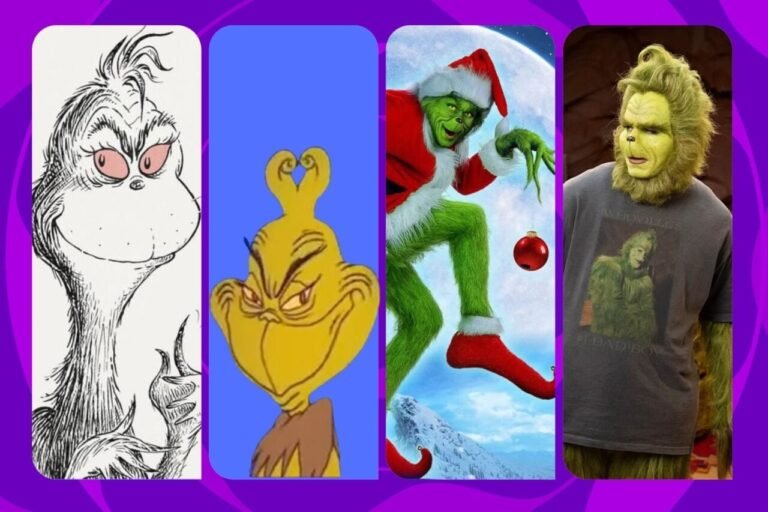
How Grinch Stole Modern. From his storybook legacy to his modern-day anti-holiday influence, the Grinch has become an enduring face of the holidays-sincerely or otherwise.
se.
The Grinch is a lovable yet menacing character in the Christmas classic "How the Grinch Stole Christmas," written and illustrated by Dr. Seuss. Since the book’s publication in 1957, the Grinch has become a cultural icon associated with the holiday season.
However, beneath his gruff and grouchy exterior lies a complex character with a rich history. In this article, we’ll delve into the origins of the Grinch, his evolution over time, and how he has become a modern symbol of holiday dissent.
Origins of the Grinch
The Grinch first appeared in Dr. Seuss’s 1957 children’s book, "How the Grinch Stole Christmas." The book tells the story of a grouchy creature named the Grinch who lives on Mount Crumpit with his loyal dog, Max.
The Grinch despises the cheerful and festive residents of Whoville, who are known for their love of giving and kindness. Each year, the Grinch becomes increasingly agitated by the Whos’ holiday celebrations, which eventually lead him to plot the ultimate act of holiday sabotage.
Evolution of the Grinch
Since the publication of "How the Grinch Stole Christmas" in 1957, the Grinch has undergone significant changes and reinterpretations. In the 1960s, the Grinch was adapted into an animated television special, "How the Grinch Stole Christmas," featuring the voice of Boris Karloff.
In the 2000s, Ron Howard directed a live-action adaptation of the book, starring Jim Carrey as the Grinch. The film was a commercial success and cemented the Grinch’s status as a modern holiday icon.
Modern-Day Anti-Holiday Influence
The Grinch has become an enduring symbol of modern-day holiday dissent, reflecting our increasingly complex and cynical society. As consumers face rising expectations and financial pressures during the holiday season, the Grinch represents a growing sentiment of anti-consumerism and anti-commercialism.
Moreover, the Grinch’s anti-holiday stance resonates with individuals who feel disillusioned with the commercialization of Christmas and other winter holidays. For those who feel overwhelmed by the stress and pressure to buy, the Grinch’s rejection of the holiday season offers a counter-cultural perspective.
The Grinch has also become a cultural touchstone for those who reject mainstream values and norms. His anti-holiday influence extends to individuals who seek to redefine and subvert traditional holiday celebrations, embracing non-traditional and inclusive perspectives.
Conclusion
The Grinch, once a quaint and charming character, has morphed into a modern symbol of holiday dissent, reflecting our increasingly complex and cynical society. As the holiday season approaches, the Grinch serves as a reminder of the dangers of commercialism and the importance of redefining traditional holiday celebrations.
Whether you’re a pro-holiday enthusiast or a cynic, the Grinch’s enduring legacy offers a unique perspective on the holiday season, highlighting the tension between cheer and disdain, tradition and subversion.
Visit our article on holiday traditions to learn more about the history and evolution of holiday celebrations.
For more information on the Grinch, read How the Grinch Stole Modern Christmas by Gizmodo source.