

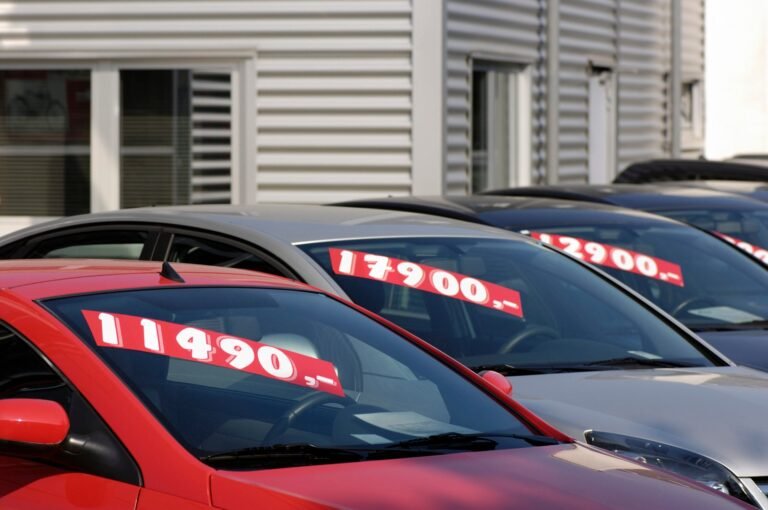
What Is Car Depreciation. Car depreciation is a significant concern for individuals who purchase vehicles, as it can have a substantial impact on their finances.
es. In this article, we will explore what car depreciation is, how to calculate it, and the factors that affect it.
What is Car Depreciation?
Car depreciation refers to the decrease in the value of a vehicle over time, due to wear and tear, age, and other factors. It is a common occurrence that affects the vast majority of vehicle owners. As soon as a new car leaves the dealership, it begins to depreciate, and this process continues throughout its lifespan.
The extent to which a car depreciates can vary greatly, depending on several factors, including the make and model, condition, age, and mileage. Some vehicles, such as luxury cars and high-performance vehicles, tend to depreciate faster than others.
How to Calculate Car Depreciation?
Calculating car depreciation can be a complex task, as it depends on various factors, including the initial purchase price, mileage, condition, and age of the vehicle. However, there are several methods to estimate car depreciation, including:
- Using a car depreciation calculator: These online tools can help you estimate the depreciation value of a car based on its make and model, age, and mileage.
- Consulting a Kelley Blue Book (KBB) report: KBB provides estimated values for new and used cars, which can be used to estimate depreciation.
- Calculating depreciation using a formula: One common formula used to calculate car depreciation is the straight-line method, which involves dividing the initial purchase price by the number of years or miles.
For example, if you purchased a car for $30,000 and estimate that it will depreciate by $10,000 over five years, you can use the straight-line method to calculate the depreciation value as follows: $10,000 / 5 years = $2,000 per year.
Factors that Affect Car Depreciation
Several factors can affect car depreciation, including:
- Make and model: Some cars, such as luxury brands, tend to depreciate faster than others.
- Age: Older cars tend to depreciate faster than newer cars.
- Mileage: Vehicles with high mileage tend to depreciate faster than those with low mileage.
- Condition: Cars in excellent condition tend to depreciate slower than those that are worn out.
Additionally, factors such as fuel efficiency, maintenance costs, and environmental changes can also impact car depreciation.
Internal Link to Understanding Car Insurance.
For those concerned about depreciation and its impact on car insurance, it may be helpful to understand how car insurance factors in depreciated values.
For more information on car depreciation, refer to this article from finance.yahoo.com: source










