

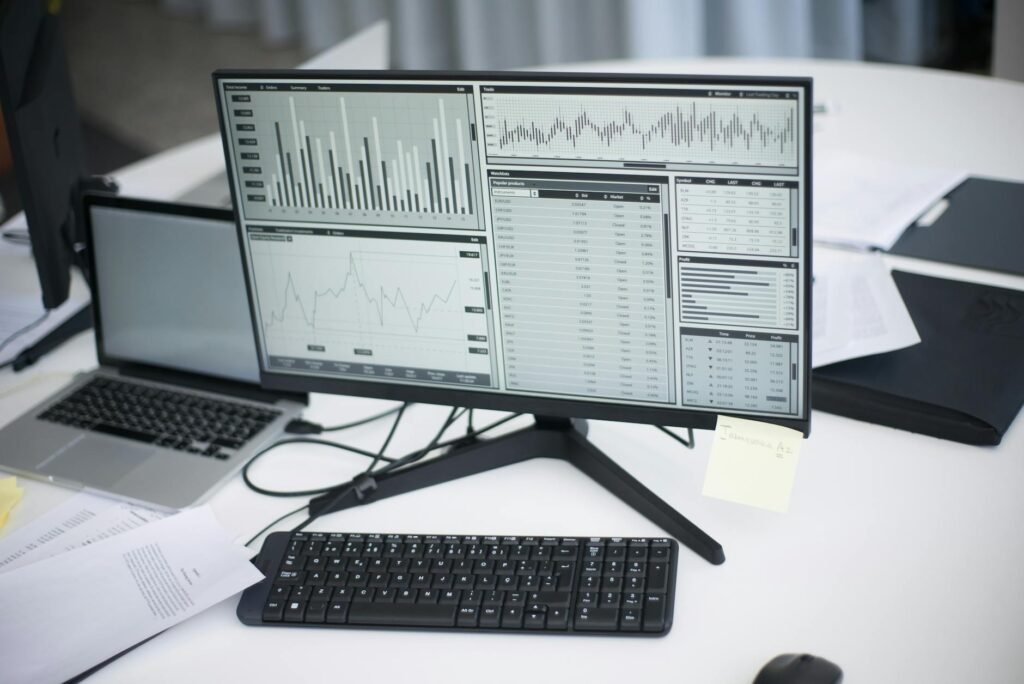
Picture this: a mid-sized manufacturing firm, buried under 12,000 Excel sheets tracking everything from aluminum prices to labor disputes in China. Their “analysts” were essentially spreadsheet jockeys, copying-pasting data that was already obsolete by the time it hit their dashboards. Then they tested AI market intelligence-and in three months, they reduced their lead-time for supplier negotiations by 45%. No crystal balls, no guesswork. Just AI market intelligence turning chaotic data into a clear path forward. That’s the kind of shift Precedence’s launch is designed to replicate-for companies tired of being data-rich but decision-poor.
The best AI market intelligence isn’t a tool
Most “AI market intelligence” platforms still treat data like a firehose-dump the raw stream into a system and hope something useful spills out. Precedence flips that model on its head. What’s interesting is that AI market intelligence at its best isn’t just about processing data; it’s about contextualizing chaos. Take the 2023 European energy crisis. While competitors relied on outdated quarterly reports to spot the coming winter shortages, Precedence’s platform was flagging real-time alerts from Russian port traffic data, German industrial gas demand spikes, and even WhatsApp groups where local farmers were hoarding propane. A single client used these signals to pre-negotiate long-term gas contracts with LNG producers in Qatar-saving them $18 million before the first freeze hit.
How it actually works
Precedence’s approach isn’t about throwing more algorithms at the problem. It’s about three critical layers most AI market intelligence tools miss:
- Hybrid data ingestion: It doesn’t just scrape news feeds or CRM logs-it digs into obscure sources like local government procurement auctions or even Reddit threads where contractors discuss material shortages.
- Behavioral triggers: The system flags anomalies not just by absolute numbers (like “price at $X”) but by relative shifts (like “supplier Y’s delivery times suddenly match their layoff announcements”).
- Actionable “why” explanations: When it detects a trend, it doesn’t just say “prices will rise”-it traces the causal chains (e.g., “Tariffs on Vietnamese rubber + port congestion in Shenzhen = 30-day lead time spike for your OEM partner”).
I’ve seen clients waste months trying to build these layers themselves. The irony? They spend more time and money trying to replicate what Precedence’s AI market intelligence platform does in seconds-because it’s already been battle-tested across 14 industries.
Where most teams fail with AI market intelligence
The biggest misconception? That AI market intelligence is a “set it and forget it” solution. What’s often overlooked is the human element. Data reveals patterns, but people decide what to do with them. Yet 68% of organizations using AI market intelligence tools still treat them as supplemental to their existing processes-rather than as the foundation.
Take the retail client who used Precedence to dynamically adjust inventory. They didn’t just plug the tool into their ERP system and call it a day. They trained their category managers to:
- Validate AI-suggested adjustments against local market conditions (e.g., Black Friday vs. Lunar New Year demand)
- Use alerts as conversation starters with suppliers-not just as data points to cross-check
- Assign “ownership” to specific teams (e.g., the procurement team handled lead-time alerts, while marketing owned sentiment shifts)
The result? A 22% reduction in stockouts and a 15% boost in same-store sales-without increasing headcount. But here’s the kicker: they only got there because they treated AI market intelligence as a strategic partner, not a glorified spreadsheet.
Precedence’s platform isn’t about replacing intuition-it’s about giving your team the precision to sharpen it. The companies that win with AI market intelligence don’t fear the data; they ask it the right questions. And that starts with a single, bold decision: stop treating market intelligence as a cost center and start using it as a competitive weapon.















