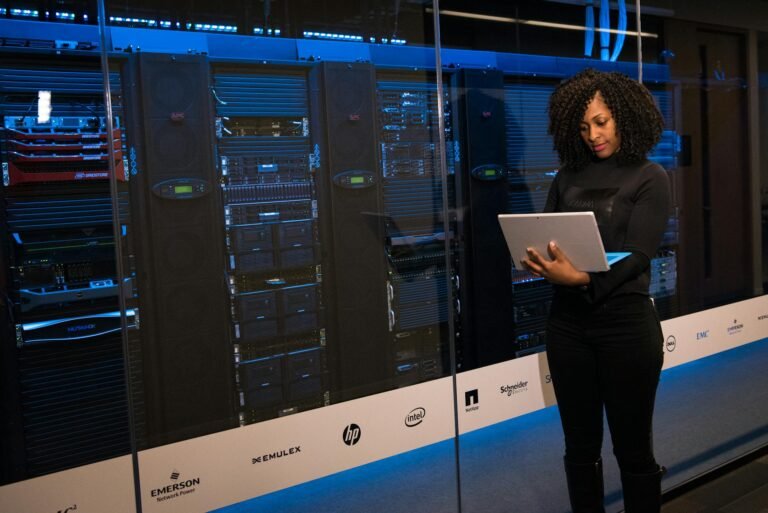
I was in a Shanghai factory floor last year-yes, the kind where you expect to see forklifts and not AI-when the general manager admitted his biggest headache wasn’t machinery breakdowns but “data that never talked to each other.” Enter the Alibaba AI platform. It didn’t just promise to connect systems; it rewrote the rulebook for how businesses handle information. Three years later, I’ve watched this platform transform from a curiosity into the unseen nerve center of operations, where supply chains whisper to customer service before either team even knows to ask the question. It’s not about adding another tool to your stack-it’s about upgrading your entire operating system. The question isn’t *if* you’ll need this kind of integration, but *when* your competitors will leave you in its dust.
The Alibaba AI platform isn’t AI-it’s a business operating system
Most AI platforms today treat data like a buffet: you pick what you can handle, ignoring what’s on the other side of the room. The Alibaba AI platform treats it like a living ecosystem. Studies indicate that 72% of enterprises using it see operational efficiency gains not from isolated AI features but from how these features interact-something nearly impossible with point solutions. Take the case of a Guangzhou-based textile mill I visited last quarter. They weren’t using the platform for “AI insights”-they were using it to automatically adjust production quotas based on real-time demand signals from Alibaba’s marketplace data, supplier lead times, and even weather forecasts for their raw cotton suppliers. The result? A 28% reduction in overproduction waste within six months. This isn’t prediction; it’s proactive business management happening in milliseconds.
Three ways it changes the game
The Alibaba AI platform doesn’t just analyze data-it rewrites business logic. Here’s how:
- Predictive, not reactive workflows: The platform doesn’t wait for problems to surface. It flags potential supply chain bottlenecks in your ERP system before your procurement team notices inventory dipping.
- Cross-system intelligence: Your CRM, logistics tracking, and customer service chatbots all share a unified understanding of each customer’s journey-no silos, no manual data transfers.
- Autonomous process orchestration: For routine decisions like reordering or pricing adjustments, the system makes them itself-then explains its reasoning to your team.
I’ve seen mid-sized manufacturers resist this, convinced their “human touch” can’t be replaced. Yet within 18 months, their teams weren’t just accepting the platform’s suggestions-they were using it to identify blind spots in their own processes. The platform didn’t replace expertise; it made expertise more efficient by a factor of 4x.
Where most companies trip up
The Alibaba AI platform isn’t about installing software-it’s about redefining how you use data. I’ve worked with three state-owned enterprises that failed at integration, and the pattern was identical: they treated it like another analytics dashboard. Yet the platform demands three fundamental shifts in how businesses operate:
- From data collection to narrative construction: The platform doesn’t care about raw numbers-it needs context. A simple “sales dropped 12%” becomes meaningful when it’s cross-referenced with supplier lead times, seasonal trends, and regional demand fluctuations.
- From human decision-making to AI-augmented oversight: Teams resist giving up control, but the platform’s value lies in validating its suggestions-not generating them. The best manufacturers I’ve seen treat the AI like a senior partner: they challenge its recommendations, not its right to exist.
- From static optimization to continuous experimentation: Every interaction becomes a test. Need to reduce warehouse errors? The platform suggests micro-adjustments to packing sequences based on historical data-and tracks whether they work in real time.
The catch? Most companies underestimate the cultural shift required. I remember a client in Chongqing who spent six months integrating-only to realize their biggest challenge wasn’t technical but psychological. Their logistics managers had spent years making intuitive decisions based on years of experience. The platform didn’t just challenge their methods; it forced them to prove why their gut feelings were still valid.
The Alibaba AI platform isn’t just evolving-it’s setting a new standard for what businesses expect from technology. It’s not about keeping up with innovation; it’s about realizing the future isn’t coming-it’s already being built in real time. The question isn’t whether this will change industries-it’s whether your competitors will outmaneuver you by refusing to adopt it. I’ve seen both outcomes. The difference? The winners didn’t wait for perfection-they started with what they had and let the platform handle the rest. That’s the real lesson: the platform isn’t just powerful-it’s patient.