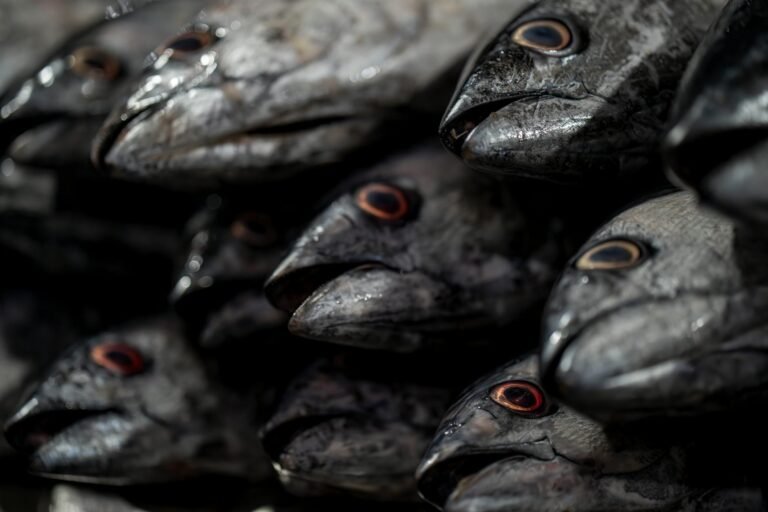
The Strait of Hormuz isn’t just a bottleneck-it’s a ticking time bomb. I remember when the first Iranian drone strikes hit last month, watching in real-time as live cargo tracking maps turned red like a game of nuclear war. A friend of mine runs a reefer container operation out of Fujairah, and his that morning read: *”Ship’s just been hit. 150 metric tons of avocados now in limbo. Literally. The cooler’s down. The fish? Beyond saving.”* That’s the new normal for Gulf businesses: Iran Gulf strikes aren’t just news-they’re daily operational nightmares.
The Iran Gulf strikes have turned shipping into a high-stakes poker game. The Strait of Hormuz-home to 20% of global seaborne oil-isn’t just critical. It’s a liability. Take the case of Al-Mahata Terminal in Dubai, which handles 12% of the Gulf’s refrigerated cargo. When a drone strike forced a three-day blackout in late February, 147 containers of fresh produce-including $800,000 worth of Chilean grapes-rot in transit. The real cost? Not just the spoilage. It’s the cascading confidence crisis: insurers now demand 50% higher premiums for Gulf transit, and maritime brokers are quietly moving clients to Cape Route at $3,500 per container premium.
How Iran Gulf strikes are rewriting trade
Businesses are playing whack-a-mole with the new risks. The Iran Gulf strikes haven’t just disrupted-they’ve exposed supply chains built on delusion. In my experience, the most resilient companies aren’t the big players with deep pockets. They’re the ones who pre-planned. Here’s what’s changing:
– Route panic: More cargo now takes the Cape of Good Hope-adding 12 days to voyages. Yet even this isn’t foolproof. A recent Maersk container transiting the Cape was delayed four days by “unforeseen mechanical issues” (code for crew strikes in South Africa).
– Inventory inflation: Firms are doubling safety stock-but at what cost? One Dubai-based electronics distributor told me: *”Our buffer now costs $1.2 million/month just in warehousing. We’re eating margin to stay alive.”*
– Cyber panic: Ports are investing in “strike detection AI”-software that flags drone signatures in real time. Yet human error remains the weak link. A Jebel Ali terminal nearly missed a strike alert because its backup generators failed during a power outage.
– Localization backlash: Companies are diversifying suppliers-but not all regions are ready. Vietnam’s garment factories, for example, are under contract lock for 2026 deliveries. Shift now, and you’re looking at 18-month lead times.
The hidden cost: confidence in collapse
The Iran Gulf strikes aren’t just about physical disruption. They’re about psychological risk. I’ve seen procurement teams-once confident in their JIT models-now sleeping with one eye open. One client, a Qatar-based perishables exporter, shared how their last-minute reroute to Oman saved a $250,000 shipment of dates-but only because their local agent had a helicopter on standby to intercept the truck.
Yet even the giants are vulnerable. Shell’s Gulf tankers face $800/day fines for delays, while DP World is quietly restructuring contracts to allow force majeure clauses for “unforeseen drone activity.” In other words: the market isn’t just adapting-it’s being rewritten.
What businesses can do now
The Iran Gulf strikes are here to stay. Act like it. Here’s what’s working:
1. Dual-sourcing isn’t optional: Spread risk. A Saudi logistics firm I know now pairs two ports-one in Fujairah, one in Muscat-with pre-arranged trucking contracts. If one goes dark, the other kicks in.
2. Test your “what-if” scenarios: Run dry drills for worst-case delays. One Bahraini importer discovered their backup port’s cranes were 40% slower than advertised-until they tested it.
3. Insurance isn’t a check-the-box: Review war-risk policies. Many exclude “drones as a weapon”-a loophole that’s becoming deadly. Renew with “strike escalation” riders.
4. Localize where it matters: For perishables, shorten the chain. A Dubai fishmonger now buys 30% of his stock locally-even if it’s 20% more expensive. “Survival isn’t about being the cheapest,” he told me. “It’s about being the fastest.”
The Iran Gulf strikes have forced businesses to confront a brutal truth: complacency is the real vulnerability. The next strike isn’t a question of *if*-it’s *when*. And when it hits, the companies that prepared quietly will be the ones still standing. The rest? They’ll be picking up the pieces-while their competitors profit from their mistakes.