

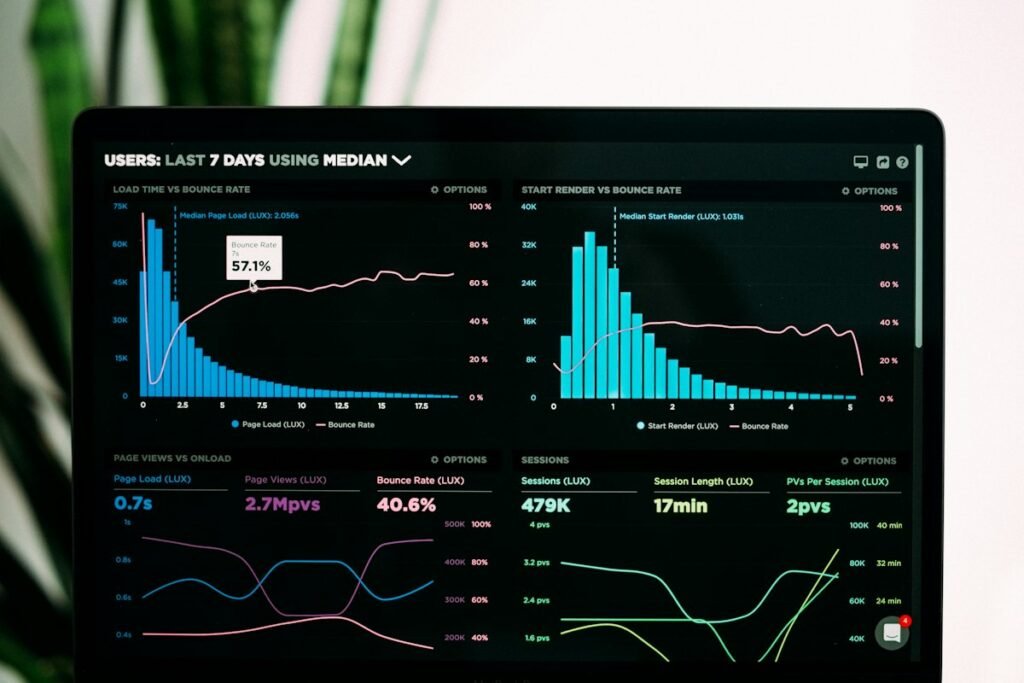
Qualtrics just launched XM Data and AI, a platform that creates digital twins of your customers so you can simulate business decisions before actually making them. Unveiled in September 2026, this is not another dashboard or reporting tool that sits gathering dust. It models customer behavior and lets you test pricing adjustments, product changes, and operational policy shifts before any of them go live in the real world. The analytics world is shifting from looking backward at historical data to running forward looking simulations about what might happen next, and this launch shows exactly where the industry is headed.
What Digital Twins Actually Mean for Business Analytics
The concept is straightforward but genuinely powerful. You take your customer data, feed it into a model, and create a digital replica that behaves like your real customers would behave in various scenarios. Want to know what happens if you raise prices 12 percent next quarter? Run the simulation before you commit any resources. Curious whether a new product feature will increase churn among your enterprise segment? Model it first rather than rolling the dice. This kind of predictive analytics was reserved for supply chain planning and manufacturing until companies like Qualtrics figured out how to apply it directly to customer behavior patterns at scale.
The implications go well beyond just pricing decisions alone. You could simulate the impact of changing your return policy, altering your support response times, or launching a loyalty program in a specific market segment. Each simulation gives you a probability range for outcomes rather than a single educated guess based on gut instinct. That is the fundamental difference between data driven decisions and gut feel decisions, and it shows up directly in your quarterly results.
ThoughtSpot and the Rise of Augmented Analytics
Qualtrics is not the only company pushing analytics forward this year. ThoughtSpot was named a 2026 Gartner Magic Quadrant leader for business intelligence, largely because of its Spotter AI analyst. Spotter lets business users ask questions in plain language and get answers directly from live warehouse data without writing SQL or waiting on a data team for weeks. The old model of analytics where you submit a request and wait two weeks for a report is dying fast in every industry.
Power BI continues to dominate if you are already deep in the Microsoft ecosystem. Looker wins on semantic layer governance for organizations that need rigorous metric consistency across departments. Qlik brings an associative engine that lets users explore data connections traditional query based tools simply miss. The differentiator in 2026 is no longer visualization quality since everyone can make clean professional charts now. What separates the real leaders from the pack is how well they integrate AI with properly governed data models.
Why Governance Makes or Breaks AI Analytics
Here is what most executives miss completely. AI analytics tools still struggle badly with business context. A generic language model pointed at a database does not know what revenue means to your specific organization or how your team defines customer retention. That is where the semantic layer becomes absolutely critical for getting real measurable value from these tools.
Platforms like GoodData and Looker provide governed business context that keeps AI generated insights accurate, consistent, and traceable back to source definitions. Without governance, you get confident sounding answers that are completely wrong. And wrong answers delivered with high confidence are actually worse than having no answer at all because people act on them without ever questioning the output.
The companies seeing genuine results from AI analytics are the ones that invested in data governance first and added AI capabilities as a second step. That sequencing matters more than most executives realize. The numbers tell the story clearly. Organizations using AI powered analytics report 25 to 40 percent faster decision cycles on average. But only when the AI is connected to properly governed data with clear business definitions and metric consistency across the organization.
What This Means for Your Business Tomorrow
If your analytics team is still primarily building static reports and dashboards, you are falling behind fast and the gap is widening. The shift to AI powered analytics is not optional anymore for competitive companies. Businesses that fail to adopt these tools will make decisions slower and with less information than competitors who do. Start with one focused use case. Customer churn prediction or pricing simulation are good entry points because they deliver measurable ROI quickly and build internal confidence in the broader approach.
The real opportunity is not in the tools themselves though. It is in the organizational shift from reactive reporting to proactive simulation. Businesses that can test decisions before committing resources will outperform those that guess and hope for the best. The analytics teams that embrace this transformation will become more valuable to their organizations, not less, because they will be the ones driving smarter decisions at speed while everyone else is still waiting on last quarter’s report.
For deeper analytics insights and timely industry news, connect with The Business Series for expert analysis on AI tools and data strategy.















