

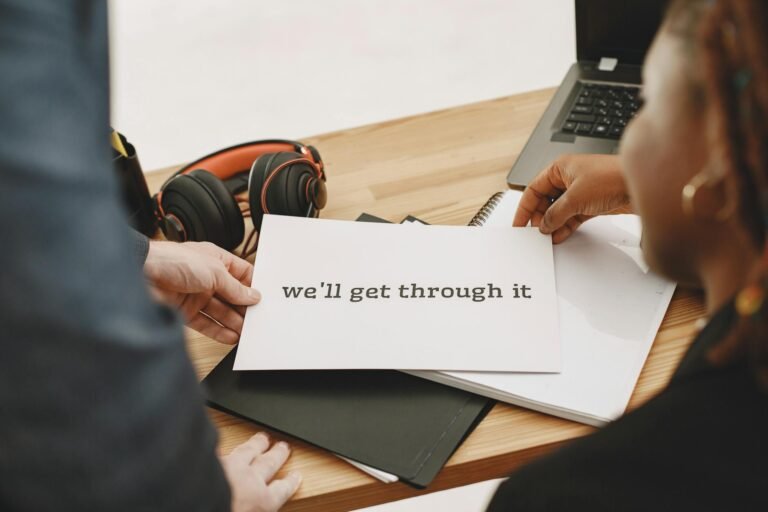
Picture this: A tech team that swore by Scrum one day, then was forced to adopt Kanban the next-without warning. Then came the new OKRs, followed by a rebranding that changed their Slack channels. Before anyone knew it, the room full of engineers who once geeked out over merge conflicts was now glued to spreadsheets, asking, “Why does every tool have to be reinvented?” That’s the brutal reality of change fatigue teams-not just frustration, but the slow unraveling of momentum, one pivot at a time.
Organizations today treat change like a treadmill: you hop on, and the belt keeps moving. The catch? Nobody tells you how long you’ll have to run. It’s not the changes themselves that break teams-it’s the relentless pace. I’ve watched mid-sized firms roll out three major initiatives in six months, only to see collaboration drop by 35% as employees start treating new processes like tax season. The worst part? Leadership assumes resistance is just “culture.” It’s not. It’s exhaustion.
change fatigue teams: How constant shifts cripple performance
Take the case of a fintech startup I advised last year. They had just merged two departments when they overhauled their CRM system, then introduced a new remote-work policy within three months. The result? A 30% dip in team productivity, not from the changes themselves, but from the cumulative stress of being constantly reset. Employees stopped asking “Why?” and just started clocking out early. This isn’t overreaction-it’s survival mode.
Here’s how change fatigue teams reveal their strain:
- Minor updates trigger blowback that would’ve been ignored under normal circumstances.
- Teams default to compliance-checking boxes instead of thinking critically.
- Productivity metrics hide real disengagement (e.g., “We hit our goals, but half the team is just waiting for the next storm”).
- Leaders mistake “resistance” for lack of vision-when really, it’s just burnout.
The key insight? Teams aren’t rejecting change-they’re rejecting the lack of space between shifts. It’s like asking a marathoner to train for another race while still recovering from the first.
Designing changes teams can handle
Organizations that survive constant change don’t eliminate it-they engineer breathing room. Here’s how:
Space changes like you would schedule surgeries
Most companies treat change like a fire drill: dump everything on teams at once and hope for the best. Yet I’ve seen teams thrive when changes follow a 3-6 month cadence, with clear phases for adoption. A healthcare client of mine consolidated their patient intake system in four stages, each including training and feedback. The result? A 40% faster adoption rate because employees weren’t drowning in simultaneous shifts.
Yet the most transformative move? Auditing their change pipeline. They discovered they had eight initiatives in flight-seven of which were competing for attention. The fix? Prioritizing ruthlessly and communicating, “This is the only major change we’re focusing on in Q3.” Teams stopped feeling like they were being tossed into deep water.
Tie changes to tangible wins
Teams resist when they feel like cogs in a machine. I worked with a manufacturing plant that rolled out a new safety protocol without explaining how it directly reduced injuries-or saved lives. Employees complied, but resentment festered. Then leadership held town halls showing injury data and linking the protocol to real outcomes. Suddenly, the change wasn’t an arbitrary rule-it became a shared priority. The takeaway? Every change must answer these three questions upfront:
- What’s the specific problem this solves for *them*?
- How does this benefit the team, not just the bottom line?
- What’s the timeline-and where’s the flexibility?
Teams that hear the “why” don’t just tolerate change-they drive it.
For leaders: The unsung rules of resilience
The best teams I’ve worked with treat change like a marathon, not a sprint. Here’s what separates the resilient from the exhausted:
First, stop treating change as a one-off event. Build it into performance reviews-not as a punishment, but as a metric. Ask: “How did you adapt to X change?” and tie it to growth. Teams that feel their effort is recognized are far more adaptable.
Second, respect human limits. Teams can’t absorb perpetual motion. I’ve seen the most successful organizations design change with clear phases, checkpoints, and-this is crucial-room to pause. Even Google’s “20% time” was about giving teams space to recover from new initiatives.
In the end, change fatigue teams aren’t doomed-they’re just waiting for leadership to recognize the real enemy isn’t change, but the lack of strategy around it. The question isn’t whether change will keep coming. It’s whether your team will be ready for it-and whether you’ll design the process with their sanity in mind.










