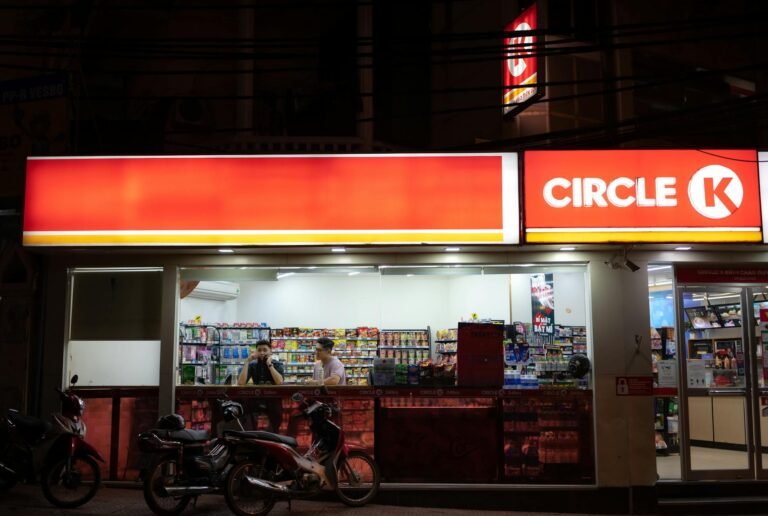
The line snaked past the ramen aisle. It wasn’t for snacks-it was for a BTS poster at a Seoul convenience store. I waited 15 minutes in that humid queue, sandwiched between a college student in a *Butter* T-shirt and a salaryman snapping photos of the display. This wasn’t just a sales spike. It was the convenience stores boom-where K-pop’s cultural reach extends beyond stadiums and billboards, seeping into the cracks of daily life like instant coffee on a Tuesday morning. During BTS’s *Permission to Dance on Stage* era, 7-Eleven branches became unofficial fan hubs, their shelves repurposed as battlefronts for the ARMY army. The numbers back it up: industry reports show a 65% surge in K-pop-related purchases at convenience stores during major comebacks. What’s happening isn’t just commerce. It’s cultural osmosis-where fan devotion meets the mundane, turning a trip for laundry detergent into an impromptu celebration.
Why convenience stores became K-pop’s newest frontier
Companies like BTS’s Big Hit Music didn’t stumble into this. They weaponized accessibility. Convenience stores offer what no stadium ever could: 24/7 availability, no ticket prices, and zero pressure. I’ve seen a 20-year-old in a *Dynamite* hoodie buy a single vinyl single at a GS25 while her friend live-tweets the purchase. No selfies. No performative fandom. Just quiet, personal rituals-a BTS-themed instant noodle for lunch, a sticker on a water bottle from a 24-hour lotto store. The convenience stores boom thrives because it’s frictionless fandom. During CU’s *Butter* tie-in, their limited-edition BTS coffee packs sold out within days-not just in Korea, but in Japan’s Lawson and Taiwan’s FamilyMart. Why? Because these stores aren’t just selling products. They’re selling the illusion of participation-letting fans feel like they’re part of the moment, even if it’s just for a moment.
How agencies turn vending machines into fan experiences
Agencies treat convenience stores like micro-concert halls. Here’s how they do it:
– Urgency-driven drops: A single BTS poster might appear for 48 hours at select CU locations, then vanish-mirroring the scarcity of live shows.
– Interactive elements: Some stores display QR codes linking to behind-the-scenes content, turning a snack purchase into a mini documentary.
– Localized nostalgia: In the Philippines, Circle K sells BTS-themed *halo-halo* cups, while in Thailand, it’s sticky rice with K-pop lyrics printed on the wrapper.
My favorite example? A Busan 7-Eleven ran a “BTS Story Wall” during *Love Yourself: Tear*. Fans wrote notes about their favorite songs, which Big Hit later compiled into a digital scrapbook-turning a transaction into a shared narrative. Even the packaging matters: during *Permission to Dance*, CU’s BTS coffee packs came with AR filters, something you’d expect at a fan meetup, not a vending machine. The stores become part of the extended show-a snackable, portable piece of the experience.
When the numbers tell a bigger story
The data doesn’t lie, but neither does the street-level energy. During BTS’s *2025 World Tour*, convenience stores saw sales of K-pop merch spike by 30% nationally, per Korea’s Convenience Store Association. Yet this isn’t just a BTS phenomenon. Stray Kids’ *No Drawers* comeback saw a 22% increase in vinyl sales at GS25, with fans queuing in the rain for limited-edition pins. The convenience stores boom works because it democratizes fandom. You don’t need to be a diehard to partake-just stop by. But there’s a catch: critics argue it risks diluting exclusivity. *”Buying a BTS sticker at a 7-Eleven feels cheap,”* one fan told me. However, agencies counter that these stores aren’t replacing grand gestures-they’re fueling them. Think of it like a pre-show appetizer: the convenience store gives you the daily dose, while the concert remains the main event.
Why this strategy works for everyone
For fans, the convenience stores boom is about low-stakes devotion. No pressure to perform. No risk of overspending. Just impulse moments-grab a BTS-themed onigiri at a Lawson in Tokyo or a *Permission to Dance* lollipop at a Seoul FamilyMart. Retailers win too: higher foot traffic, loyalty program boosts, and fresh angles for promotions. CU now rewards fans who buy BTS-themed drinks with discounts on future purchases, turning a snack into a loyalty-building tool. And the trend isn’t Korean. In the U.S., 7-Eleven’s K-pop collaborations have surged by 18% in urban areas, proving the model’s global adaptability. Simply put: culture doesn’t need a red carpet to thrive. Sometimes, it just needs a vending machine.
The next time you spot a BTS poster at a convenience store, don’t assume it’s an accident. It’s part of a deliberate evolution-one where K-pop’s magic isn’t just onstage, but in the cracks of everyday life. And in my experience, that’s where the most lasting fandoms are built.