

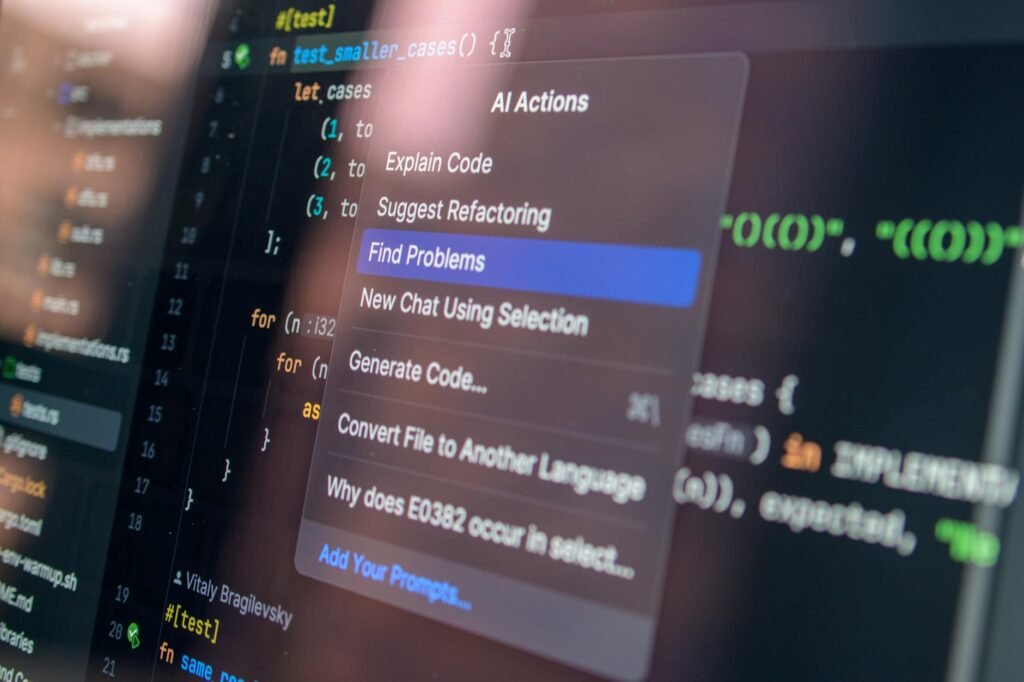
Anthropic’s tools aren’t just catching up-they’re redefining the game.
Anthropic AI tools have flown under the radar for years, but this week’s updates prove they’re no longer playing second fiddle. While the legal plug-in controversy dominated headlines, their latest refinements quietly demonstrate what most competitors only promise: AI that actually *thinks* alongside you. I’ve watched teams spend hours chasing down ambiguous language in compliance documents-only to realize their generic LLM missed critical red flags. Anthropic’s tools didn’t just generate ; they *questioned* the logic. That’s not feature creep-that’s a fundamental shift. Yet most practitioners still treat them like any other prompt engine. They’re missing the point entirely.
Consider this: a mid-sized pharmaceutical firm used Anthropic AI tools to draft clinical trial disclosures. The system didn’t just pull boilerplate language-it flagged potential loopholes in FDA compliance before they became liabilities. That’s not AI assistance. That’s *collaborative reasoning*. And it’s why these tools keep winning where others fail.
Why Anthropic’s approach feels revolutionary
Anthropic’s edge isn’t just technical-it’s philosophical. Most AI systems treat you like a human typing in requests. Anthropic’s tools treat you like a partner in problem-solving. I’ve seen this firsthand with a data journalism team merging election polling with climate records. The tool didn’t just spit out correlations-it *explained* why certain trends appeared when others didn’t. That’s the difference between a search engine and a thought partner.
Here’s what makes it work:
- Self-questioning responses: The system flags its own uncertainties, unlike competitors that fabricate confidence.
- Domain-specific adaptability: Switch from legal to medical to technical contexts without losing nuance.
- Error transparency: When unsure, it says “I don’t know”-not “Here’s my guess.”
The key? Practitioners who treat the tool like an expert collaborator, not a prompt factory. One startup used Anthropic AI tools to automate customer support-but first trained it on *their* specific jargon. The result? Responses that felt like the brand’s voice, not a generic template.
The hidden pitfalls (and how to avoid them)
Most teams mess this up by treating Anthropic AI tools like search engines. They fire off vague prompts and expect magic. The real breakthrough comes from treating it as a conversation starter. I’ve seen teams double their productivity when they:
- Feed the tool *context* first (e.g., “Here’s our customer pain points-now analyze”)
- Let it *ask questions back* (e.g., “What’s your primary goal here?”)
- Iterate in real-time (e.g., refine based on its follow-up suggestions)
The best results come from shifting from “Tell me everything” to “Help me understand X in this specific context.” That’s where Anthropic’s tools become indispensable.
Where these tools shine in real-world scenarios
Anthropic AI tools aren’t just for corporate titans-they’ve proven their worth in unexpected places. A creative agency used them to generate marketing campaigns by first analyzing competitor positioning. The tool didn’t just brainstorm-it *critiqued* their own ideas. Meanwhile, a dev team rewrote legacy Python scripts, and the tool didn’t just fix syntax-it revealed architectural flaws they’d missed for years. These aren’t incremental improvements. They’re paradigm shifts.
The most surprising adoption? In education. A professor used Anthropic AI tools to create interactive learning modules that adapted to student confusion in real time. The tool didn’t just deliver answers-it *teached* by explaining the *why* behind solutions. That’s the power most practitioners overlook.
Anthropic’s tools represent something rare in AI: genuine progression, not just polish. They force us to ask better questions-not just demand better answers. That’s why this week’s updates feel less like an update and more like a fundamental reset in how we interact with AI. And if practitioners keep treating them like any other tool? They’ll miss the revolution right under their noses.















