

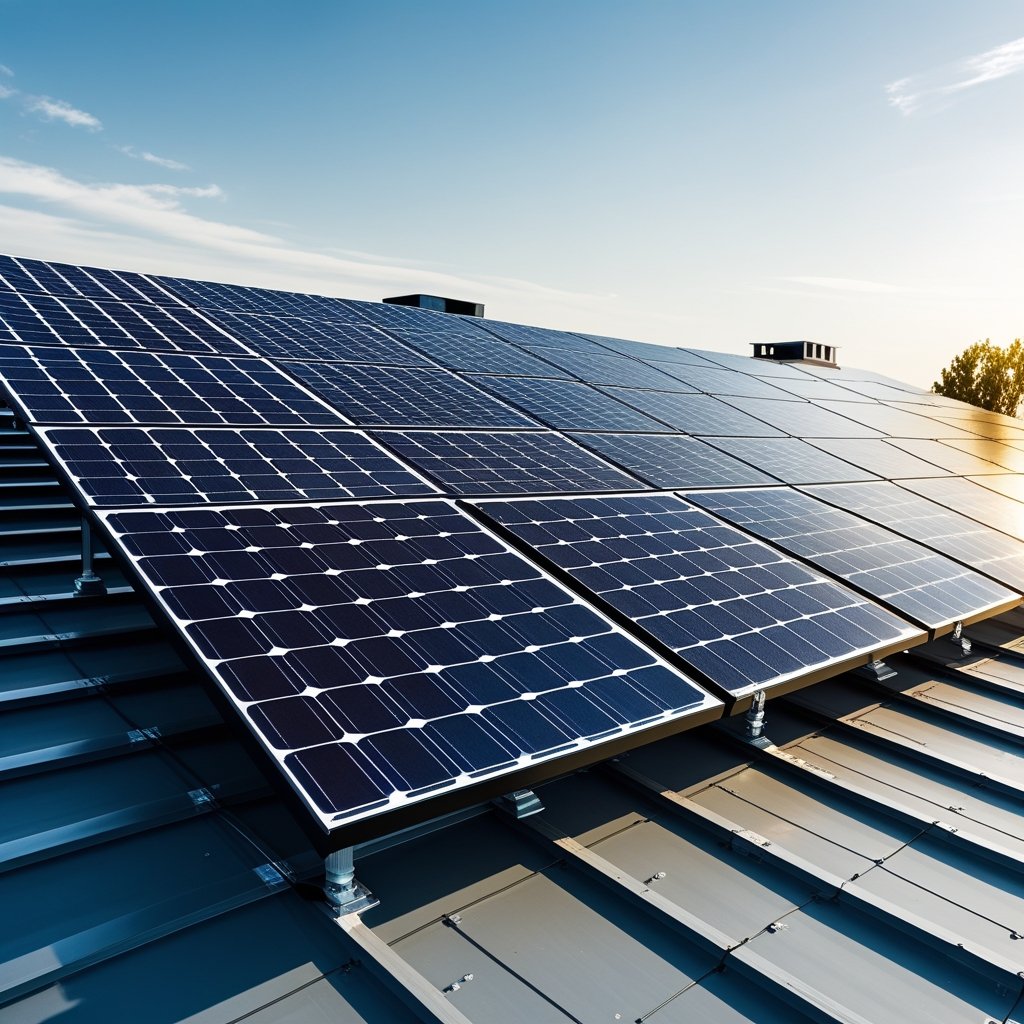
The world is shifting towards a more sustainable future, and green energy is at the forefront of this transformation. As we dive into 2025, it’s essential to stay updated on the latest trends and news in the green energy sector. In this article, we’ll delve into the current state of green energy, exploring real-world examples, statistical data, and expert insights to provide a comprehensive understanding of the market.
Introduction to Green Energy
Green energy, also known as renewable energy, is derived from natural resources that can be replenished over time, such as sunlight, wind, rain, and geothermal heat. The primary goal of green energy is to reduce our reliance on fossil fuels and mitigate climate change. As the demand for green energy continues to grow, we’re witnessing significant advancements in technology, infrastructure, and policy frameworks that support the adoption of green energy sources.
Current Trends in Green Energy
In 2025, the green energy landscape is characterized by several key trends, including:
- Solar Energy: Solar energy is becoming increasingly cost-competitive with fossil fuels, driving growth in the residential and commercial sectors. According to the International Energy Agency (IEA), solar energy capacity is expected to reach 1,500 GW by 2025, up from 720 GW in 2020.
- Wind Energy: Wind energy is another leading source of green energy, with advancements in turbine technology and offshore wind farms. The Global Wind Energy Council (GWEC) forecasts that wind energy capacity will reach 1,000 GW by 2025, up from 740 GW in 2020.
- Energy Storage: The development of energy storage technologies, such as batteries, is crucial for the widespread adoption of green energy. As the cost of energy storage decreases, we can expect to see increased investment in green energy projects.
Real-World Examples and Case Studies
Several countries and companies are leading the charge in green energy adoption, demonstrating the potential for sustainable growth and reduced carbon emissions. For example:
- Costa Rica: Costa Rica has made significant strides in green energy, with over 90% of its electricity coming from renewable sources. The country aims to be carbon-neutral by 2050.
- Google: Google has invested heavily in green energy, purchasing over 3 GW of renewable energy to power its data centers and operations. The company aims to be carbon-free by 2030.
- Vestas: Vestas, a leading wind turbine manufacturer, has developed innovative solutions for wind energy, including the world’s most powerful offshore wind turbine. The company has installed over 100 GW of wind energy capacity worldwide.
Statistical Data and Market Analysis
The green energy market is expected to continue growing, driven by declining technology costs, government policies, and increasing demand for sustainable energy. Some key statistics include:
- The global green energy market is projected to reach $1.5 trillion by 2025, up from $1.1 trillion in 2020 (Source: BloombergNEF).
- Renewable energy capacity is expected to increase by 50% by 2025, reaching 3,500 GW (Source: IEA).
- The cost of solar energy has fallen by over 70% in the last decade, making it more competitive with fossil fuels (Source: National Renewable Energy Laboratory).
Practical Implementation Advice
For individuals and businesses looking to adopt green energy solutions, here are some step-by-step guidelines:
- Conduct an Energy Audit: Assess your energy usage and identify areas for improvement.
- Invest in Energy-Efficient Technologies: Upgrade to energy-efficient appliances, lighting, and HVAC systems.
- Explore Renewable Energy Options: Consider investing in solar panels, wind turbines, or geothermal systems.
- Develop a Sustainability Plan: Create a comprehensive plan to reduce your carbon footprint and achieve long-term sustainability goals.
Actionable Insights and Measurable Outcomes
By adopting green energy solutions, individuals and businesses can expect to achieve significant benefits, including:
- Reduced Energy Costs: Renewable energy sources can help reduce energy bills and mitigate price volatility.
- Increased Energy Independence: Green energy solutions can provide energy self-sufficiency and reduce reliance on grid electricity.
- Improved Brand Reputation: Companies that adopt green energy solutions can enhance their brand reputation and appeal to environmentally conscious consumers.
Industry Expert Quotations and References
According to industry experts, green energy is poised for significant growth in the coming years. As stated by Fatih Birol, Executive Director of the IEA, “The world is on the cusp of a major transformation in the energy sector, driven by the rapid growth of green energy sources.” (Source: IEA)
Similarly, Henrik Stiesdal, CEO of Vestas, notes, “The cost of wind energy has fallen dramatically in recent years, making it a competitive source of energy in many markets around the world.” (Source: Vestas)
Comparative Analysis of Different Approaches
When evaluating green energy solutions, it’s essential to consider the pros and cons of different approaches. For example:
- Solar Energy vs. Wind Energy: Solar energy is well-suited for residential and commercial applications, while wind energy is often more suitable for large-scale industrial or utility-scale projects.
- Onshore vs. Offshore Wind Energy: Onshore wind energy is generally less expensive than offshore wind energy, but offshore wind farms can take advantage of stronger, more consistent winds.
Risk Assessment and Mitigation Strategies
While green energy solutions offer numerous benefits, there are also potential risks and challenges to consider. Some of these risks include:
- Intermittency: Renewable energy sources like solar and wind can be intermittent, requiring energy storage solutions to ensure a stable power supply.
- High Upfront Costs: While the cost of green energy technologies is decreasing, the upfront costs can still be prohibitively expensive for some individuals and businesses.
- Policy and Regulatory Risks: Changes in government policies and regulations can impact the viability of green energy projects.
To mitigate these risks, it’s essential to:
- Conduct Thorough Risk Assessments: Identify potential risks and develop strategies to mitigate them.
- Diversify Energy Sources: Invest in a mix of green energy sources to reduce reliance on a single technology.
- Develop Strong Partnerships: Collaborate with experienced developers, financiers, and technology providers to ensure successful project execution.
Future Outlook and Emerging Opportunities
As the green energy sector continues to evolve, we can expect to see emerging opportunities in areas like:
- Energy Storage: Advancements in energy storage technologies will be critical for the widespread adoption of green energy sources.
- Smart Grids: The development of smart grids will enable greater efficiency, flexibility, and resilience in energy distribution and consumption.
- Electric Vehicles: The growth of the electric vehicle market will drive demand for green energy solutions and reduce greenhouse gas emissions from transportation.
According to a report by the National Renewable Energy Laboratory, the green energy sector is expected to support over 24 million jobs globally by 2030, up from 11 million in 2020. (Source: National Renewable Energy Laboratory)















